Add us as a preferred source
The latest innovations in healthcare, including foetal monitoring and archiving software, cancer centres in Bedlington, Newport and Reading, and how to bring real-world research impact data into AI workflows.
Cleveland Clinic London expands orthopaedic and sports medicine services
Private provider Cleveland Clinic London has expanded its orthopaedic and sports medicine service to include patients aged 16 and 17, providing adolescent patients with access to specialist assessment, treatment and rehabilitation for musculoskeletal conditions and sports-related injuries.
The service addresses increasing demand for dedicated musculoskeletal care among teenagers involved in competitive sports and physical activity, alongside those presenting with non-sports-related orthopaedic conditions. Care is delivered through a multidisciplinary team model comprising orthopaedic surgeons, sports medicine physicians, physiotherapists, imaging specialists and rehabilitation practitioners.
The adolescent pathway covers a range of conditions, including acute ligament, tendon and joint injuries involving the knee, shoulder and ankle; overuse injuries; fracture management; and structured return-to-play rehabilitation programmes. Patients will access the hospital’s diagnostic imaging and non-surgical or surgical interventions designed around adolescent musculoskeletal development.
“Adolescence is a critical period for musculoskeletal development, and timely access to expert care can make a significant difference in recovery, long-term outcomes and return to activity,” said Phil Ahrens, vice chief integrated surgical institute and chair of orthopaedics at Cleveland Clinic London. “Caring for younger patients requires an approach that recognises their unique physical, developmental and athletic needs. Our team is committed to providing specialist care that supports both recovery and long-term musculoskeletal health.”
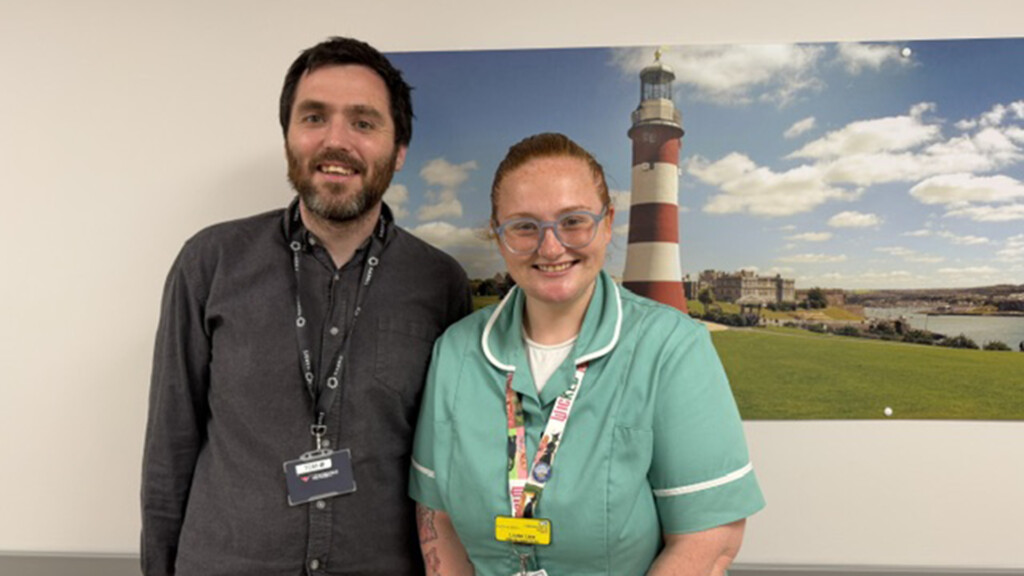
University Hospitals Plymouth NHS Trust integrates K2 INFANT-Guardian
University Hospitals Plymouth NHS Trust (UHP) has integrated Harris Health Alliance’s K2 INFANT-Guardian foetal monitoring and archiving software and Epic’s electronic patient record (EPR) platform. The deployment connects specialist maternity monitoring into the Trust’s enterprise-wide EPR to streamline digital workflows across hospital and community care settings.
Co-designed through clinical workshops involving UHP midwives, digital leads, and operational teams alongside developers from Epic and Harris Health Alliance, the system allows real-time foetal monitoring data and clinical notes in a single digital record. The integration eliminates redundant data entry, reduces administrative complexity and provides care teams with continuous clinical oversight during labour and delivery.
By enabling bi-directional data flow between the systems, the Trust aims to improve communication across multidisciplinary teams and enhance patient safety for women and newborns across Plymouth and the surrounding region.
“Working collaboratively with Harris Health Alliance and Epic, we have implemented an integrated solution that brings maternity information into a single digital record and supports our clinicians in accessing the information they need as part of care delivery,” said David Connor, director of midwifery at University Hospitals Plymouth NHS Trust.

Leeds NHS Trust partners with Epredia
Leeds Teaching Hospitals NHS Trust has signed a commercial agreement with global precision diagnostics company Epredia to deploy TANGO, a laboratory quality control technology designed to accelerate AI-enabled digital pathology.
Developed by researchers at the Trust’s National Pathology Imaging Co-operative (NPIC) and the University of Leeds, the technology addresses a challenge in cancer diagnostics by standardising tissue staining to improve image interpretation and the reliability of AI diagnostic tools.
Under the partnership, Epredia will develop and commercialise new slide products incorporating the TANGO technology across the NHS and international markets, with integration planned to begin later this year. The agreement is set to generate commercial returns for the NHS to fund future research, while supporting healthtech job creation in West Yorkshire in alignment with the region’s Healthtech Cluster Plan.
“TANGO was developed to offer a powerful solution in digital pathology to support clinical practice, and this shows how ideas developed on the frontline in the NHS can grow into innovations with global impact,” said David Brettle, chief scientific officer at Leeds Teaching Hospitals NHS Trust. “By partnering with Epredia, we now have an opportunity to deploy this technology across the NHS and far wider, helping laboratories to adopt AI-enabled cancer diagnostics and ultimately provide patients with quicker results,” he added.

Icon Group reopens cancer centres in Bedlington, Newport and Reading
Oncology provider Icon Group will operate cancer centres in Bedlington, Newport and Reading, following a multi-million-pound investment. The project will bring three former Rutherford Health facilities back into clinical operation, expanding regional capacity for radiotherapy and systemic anti-cancer therapies across the North East, South Wales and Thames Valley regions.
The reopened facilities will offer integrated oncology services – including radiation therapy, chemotherapy, immunotherapy, targeted treatments, diagnostic imaging and consultant clinics – with the capacity to treat more than 1,500 patients a year across the three sites. The centres will operate via multidisciplinary teams of up to 100 healthcare professionals, incorporating AI-enabled treatment planning software to improve precision and enable hyper-fractionated radiotherapy regimens where clinically appropriate.
The expansion aims to alleviate regional access bottlenecks and reduce travel burdens for both private patients and NHS systems. The Bedlington, Newport and Reading projects build on Icon’s wider UK expansion strategy, which includes the acquisition of Icon Cancer Centre London (formerly Cancer Centre London) and planned developments in Brighton, Derbyshire, Warwickshire and Leeds.
“The number of people being diagnosed with cancer continues to rise and there is a clear need to deliver the best cancer care possible, closer to home,” said Icon’s group chief executive Mark Middleton. “Healthcare infrastructure is a valuable community asset, and our focus is on ensuring that important cancer care facilities continue to serve the people who rely on them. These three centres represent an opportunity to restore critical cancer infrastructure and ensure it delivers sustainable, high-quality care for the communities that depend on it.”
Digital Science launches Altmetric MCP
London-based research technology company Digital Science has launched the Altmetric MCP, a model context protocol server that connects artificial intelligence agents to Altmetric’s research attention tracking data. The system allows AI platforms – including Claude, ChatGPT, VS Code and Cursor – to query live engagement metrics across news outlets, policy documents, clinical guidelines, patents, social media and blogs to analyse the societal reach of published research.
The protocol addresses limitations in traditional bibliometrics, where academic citation counts often fail to capture immediate real-world influence, such as a trial informing national policy or gaining traction in clinical communities. By providing AI agents with direct, standardised access to Altmetric data without requiring custom software integration, the platform enables medical affairs teams, life sciences enterprises and research institutions to automate portfolio-wide impact reporting and track public engagement in real time.
The integration allows organisations to query Altmetric attention scores, break down audience sentiment, identify policy bodies discussing specific outputs and compile aggregate impact evidence for funders. The service is accessible to existing Altmetric API subscribers and offers both hosted OAuth 2.1 authentication and local execution options for enterprise security compliance.
“Medical affairs teams and enterprise clients do not just need to know if research was cited,” said Sebastian Schmidt, executive vice president of enterprise at Digital Science. “They need to know who is engaging with it, how it is being discussed, and what it is influencing. The Altmetric MCP delivers that intelligence directly inside their preferred AI tools – no separate platforms, no manual aggregation. Doing that at scale, across an entire portfolio rather than paper by paper, is where the real value lies for professionals in pharma, biotech, and life sciences.”
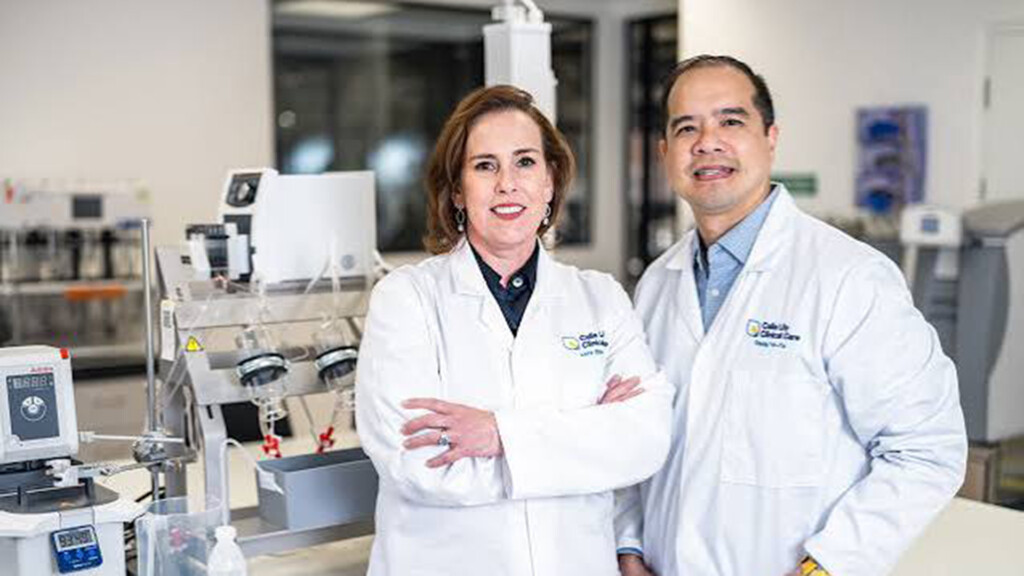
Calla Lily Clinical Care selected for Wellcome Leap’s $50 million antibiotics programme
London-based medical technology company Calla Lily Clinical Care has been selected to join Wellcome Leap’s $50 million (£37 million) focused antibiotics programme. The initiative aims to reformulate existing antibiotics to deliver treatments directly to localised infection sites while sparing the gut microbiome and mitigating systemic antibiotic-driven antimicrobial resistance (AMR).
Under the programme, Calla Lily Clinical Care will evaluate its Callavid intravaginal drug delivery platform to deliver targeted UTI antibiotics directly via the vaginal wall, bypassing gastrointestinal transit and first-pass metabolism to maintain systemic exposure under 5%.
The Callavid platform uses a leak-free design intended to improve user comfort and treatment adherence during vaginal drug delivery. It is currently undergoing clinical validation in the NIHR-funded FREEDOM trial evaluating progesterone delivery for threatened miscarriage, which initiated dosing in April 2026. The Wellcome Leap project will be led by principal investigator Serena de Gelidi alongside drug delivery specialist Andrew Lewis.
“The focused antibiotics programme gives us the ideal partner to pursue one of the most consequential indications: treating the world’s most common bacterial infection in women while helping to address a global resistance crisis that, left unchecked, could claim 8 million lives annually by 2050,” said Thang Vo-Ta, co-founder and chief executive of Calla Lily Clinical Care.
Wesleyan enters three-year partnership with Doctors in Distress
Financial services mutual Wesleyan has launched a three-year partnership with UK charity Doctors in Distress to provide mental health and suicide prevention support for healthcare workers.
According to Wesleyan’s claims data, 35% of all income protection claims filed by hospital doctors and GPs in 2025 were linked to mental health. The impact was particularly pronounced among general practitioners, where mental health conditions represented 40% of claims – more than double the next most frequent cause, tumours and malignancies (19%). For hospital doctors, mental health accounted for 30% of claims, followed by musculoskeletal conditions at 25%.
The partnership scales Wesleyan’s previous charitable contributions into a long-term commitment intended to reach 19,000 individuals in its first year. The initiative will directly support over 3,000 doctors through dedicated mental health, burnout and professional grief programmes, while expanding suicide-prevention measures designed to cover approximately 45,000 NHS staff. Funding will also go toward confidential peer-support networks, advocacy services, and workplace-improvement initiatives within healthcare settings.
“Behind every claim is an individual who has reached the point where they are no longer able to work,” said Alec Collie, head of medical at Wesleyan Financial Services. “Doctors need access to effective support before they reach crisis point. By combining Doctors in Distress’s expertise with our longstanding understanding of doctors and the pressures they face, we want to help create lasting change and ensure more people receive support before reaching crisis point.”
Cera reaches 3 million monthly home visits
London-based home healthcare technology company Cera has achieved two operational growth milestones, adding $100 million in annualised recurring revenue (ARR) over the past 100 days while scaling its volume to 3 million patient home visits per month.
The company noted that its monthly home visit volume now exceeds the total monthly attendances across NHS Accident & Emergency departments nationwide.
Cera operates as an integrated home care provider combining in-house artificial intelligence tools with its dedicated robotics division. The company’s platform leverages a dataset of 300 billion data points gathered from patient interactions to power predictive risk tools. According to the company, these algorithms cut patient falls by 20% and reduce hospital admissions by over 50%, generating more than £1 billion in cumulative savings for the British government and the NHS.
The provider has also integrated proprietary AI agents into its operational infrastructure, which it states have doubled recruitment volumes, halved hiring timelines, and cut administrative workload by up to 85%. In April, Cera established an AI Lab to license its technology stack to international healthcare systems, insurers, and care providers. Founded in 2016, Cera now spans 150 regulated sites with 13,000 frontline staff delivering care across 100 local governments and two-thirds of NHS regions.
“Adding $100 million ARR in 100 days reflects the scale of demand for Cera’s AI-powered, preventative model of care,” said Cera founder and chief executive Ben Maruthappu. “But what matters more than financial milestones like these are the people behind them: the vulnerable patients kept safe at home, the frontline staff empowered with better technology. We aren’t just building a bigger business – we are expanding access to better care, building the blueprint for more sustainable health systems.”