Add us as a preferred source
The latest healthcare innovations, including acquisitions and consolidations, an NHS-validated AI cancer risk blood test, a handheld sleep device and molecular UTI testing.
Icon Oncology Group acquires Nova Healthcare
Global healthcare provider Icon Oncology Group has acquired Leeds-based cancer and haematology provider Nova Healthcare at St James’s University Hospital. Financial terms have not been disclosed.
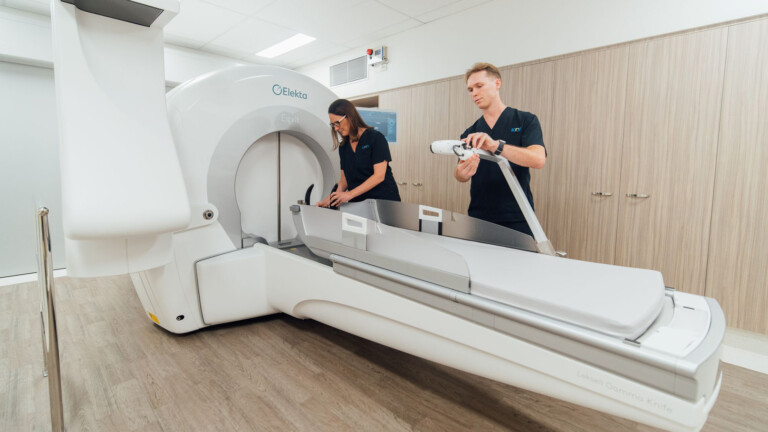
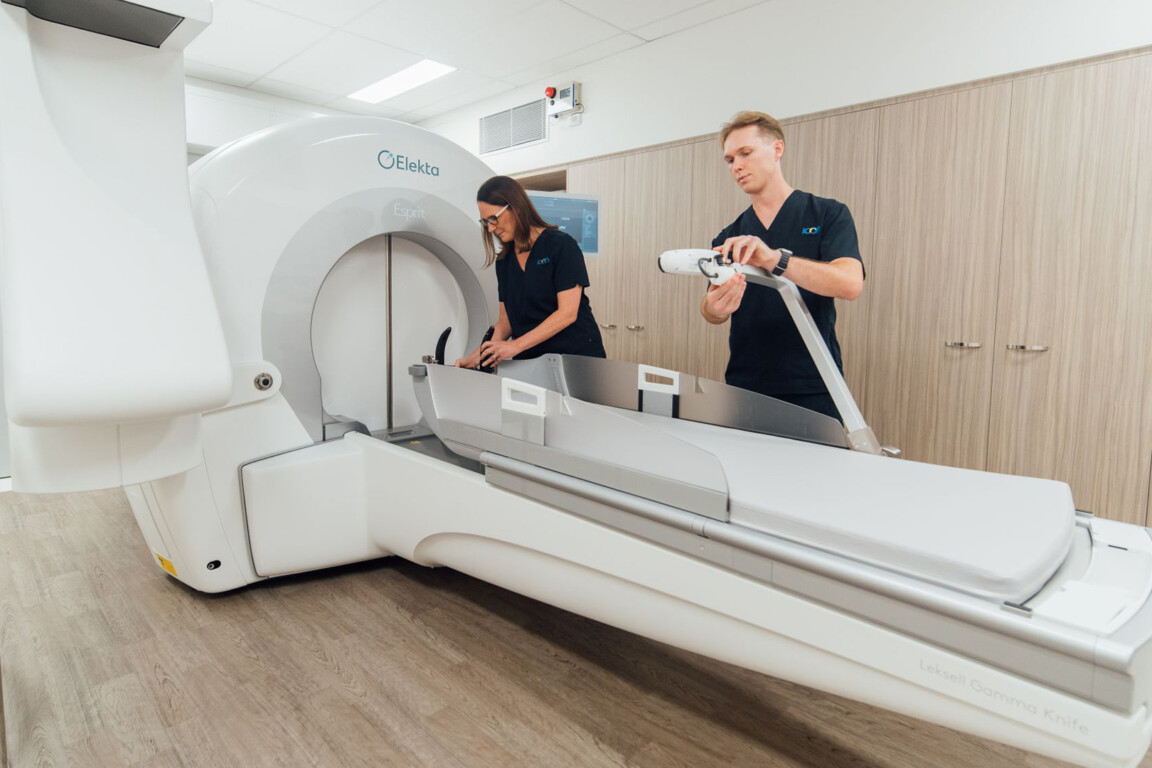
The acquisition integrates Nova Healthcare’s systemic anti-cancer therapy (SACT), radiotherapy and haematology services into Icon’s UK network. The deal includes Nova Healthcare’s specialist Gamma Knife stereotactic radiosurgery service, which holds an NHS England contract for NHS and private patients across the North of England, including West Yorkshire and the North-West.
The acquisition fits with Icon Oncology Group’s plans to build a new Icon Cancer Centre at AMT Headingley Stadium in Leeds to deliver advanced radiotherapy and imaging.
“We want to build on the excellent foundation developed by the Leeds Cancer Centre and work with them to support the delivery of essential oncology and haematology care through additional capacity and our specialised Gamma Knife service,” said Geoff Hall, Icon Cancer Centre clinical strategy director for West Yorkshire.
Inuvi expands South West cardiac diagnostic footprint
Health and diagnostics group Inuvi has acquired Plymouth-based community cardiac diagnostics provider Ultracardiac. Financial terms have not been disclosed.
Ultracardiac delivers echocardiography, ECG, Holter monitoring and ambulatory blood pressure monitoring aacross 11 clinics in hospitals, community diagnostic centres and GP surgeries across Devon and Cornwall. The provider has so far worked with more than 70,000 NHS, insured and self-funding patients.
The deal is Inuvi’s fifth acquisition in just over three years, following its previous buyouts of LiveSmart, Express Diagnostics, Medicals Direct Group and Physiological Measurements. Ultracardiac will join Inuvi’s community diagnostics division, which provides cardiorespiratory, ultrasound and audiology services in partnership with NHS Trusts, ICBs and independent healthcare providers. The integration extends Inuvi’s clinical delivery capacity in the South West alongside Express Diagnostics and aligns with the NHS 10 Year Health Plan’s strategy to shift patient care out of acute hospitals and into community settings.
“Our ambition is to make diagnostic services easier to access by delivering them closer to where people live,” said Inuvi chief executive Jonathan Benton. “Ultracardiac has built a strong reputation for doing exactly that across Devon and Cornwall, and alongside Express Diagnostics in Plymouth, it deepens our cardiac service across the South West.”
Uniphar Medtech unifies six specialist healthcare businesses
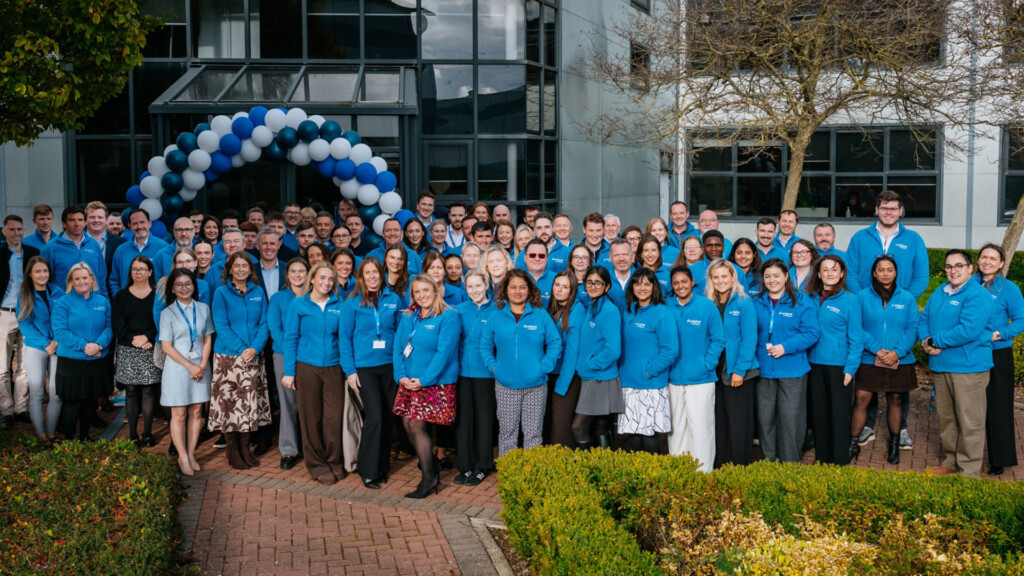
Dublin-headquartered medical device distributor Uniphar Medtech has consolidated six of its established healthcare businesses under a single brand.
Under the rebrand, Synapse Medical, Cardiac Services, M3 Medical, M.E.D. Ophthalmic, M.E.D. Surgical and Macromed will now operate under the Uniphar Medtech name. The integration brings together clinical, technical and commercial capabilities across 24 European markets. The unified company will provide specialised medical technologies, clinical IT and managed services across multiple disciplines, including diagnostics, digital health, imaging, interventional cardiology, ophthalmology, orthopaedics, spine, surgical technologies and connected care.
Existing account management, sales, technical service and customer support structures will remain to maintain operational continuity for healthcare providers across Ireland, the UK and continental Europe. Uniphar Medtech operates as one of three main divisions within parent company Uniphar, alongside Uniphar Pharma and Uniphar Supply Chain & Retail.
“Today marks a significant milestone for our organisation that reflects the journey we have been on and the business we have become; a single connected medtech organisation with the scale, expertise and infrastructure to support healthcare providers across multiple specialities and markets,” said Brian O’Shaughnessy, chief commercial officer of Uniphar Medtech. “As healthcare systems become more complex, providers are increasingly looking for integrated partners who can deliver technology, services and support across the care pathway.”
PinPoint Data Science partners with Alderley Lighthouse Labs
Leeds-based cancer detection firm PinPoint Data Science has signed a strategic partnership agreement with Cheshire-based pathology provider Alderley Lighthouse Labs to commercialise the PinPoint Test, making it the first private laboratory in the UK to offer the AI-powered cancer risk blood test.
The PinPoint Test processes 30 routine blood biomarkers alongside patient age and sex. It uses machine learning algorithms to assess individual cancer risk across five primary referral pathways: gynaecological, upper gastrointestinal, lower gastrointestinal, lung, and head and neck cancers. Built using NHS health records from over 370,000 suspected cancer patients, the algorithm was validated through a five-year NHS evaluation involving 16,481 urgent suspected cancer referrals across 170 GP practices and five NHS trusts. In real-world NHS evaluations, the test demonstrated a 99.8% negative predictive value for low-risk women presenting with post-menopausal bleeding, offering a non-invasive triage tool to spare low-risk patients from unnecessary, uncomfortable procedures such as trans-vaginal ultrasounds and hysteroscopies.
Under the agreement, Alderley Lighthouse Labs will process patient samples collected across NHS primary care, private clinics, independent hospitals and private GP practices. Because the algorithm runs on standard blood samples, healthcare providers can integrate the triage tool without investing in specialised laboratory machinery.
“PinPoint can identify those women at lowest risk and spare them from invasive procedures they don’t need, freeing up capacity for those that do. PinPoint’s use case in upper gastrointestinal cancer detection is equally compelling… offering a route to faster diagnosis and treatment,” said Sean Duffy, former NHS England national clinical director for Cancer and chief medical officer at PinPoint Data Science.
SleepCogni gets regulatory approvals for sleep device
Sheffield-based health tech firm SleepCogni has completed CE mark and FCC compliance testing for its handheld Active-Feedback sleep improvement device.
The certifications grant regulatory clearance and market access across the UK, Europe and the US. Independent testing was conducted by Element Materials Technology across its facilities in Hull and Skelmersdale, verifying compliance with the Essential Requirements of the EU Radio Equipment Directive (RED) 2014/53/EU – including updated cybersecurity standards mandatory since August 2025 – alongside RoHS, REACH and WEEE environmental regulations.
The device uses active-feedback technology delivering gentle tactile vibration cues to which users respond via a handheld trigger, which helps to lower cognitive arousal and transition into sleep. Following the regulatory clearance, long-term manufacturing partner Derby-based Tioga has completed production-ready devices and has said that it is prepared to scale manufacturing to support commercial distribution into consumer markets and the NHS.
“Achieving CE and FCC compliance first time demonstrates not only the robustness of our design but also our commitment to user safety and quality at every stage,” said Paul Ironmonger, chief technology officer of SleepCogni.
The Forbury Clinic introduces molecular testing for recurrent UTIs
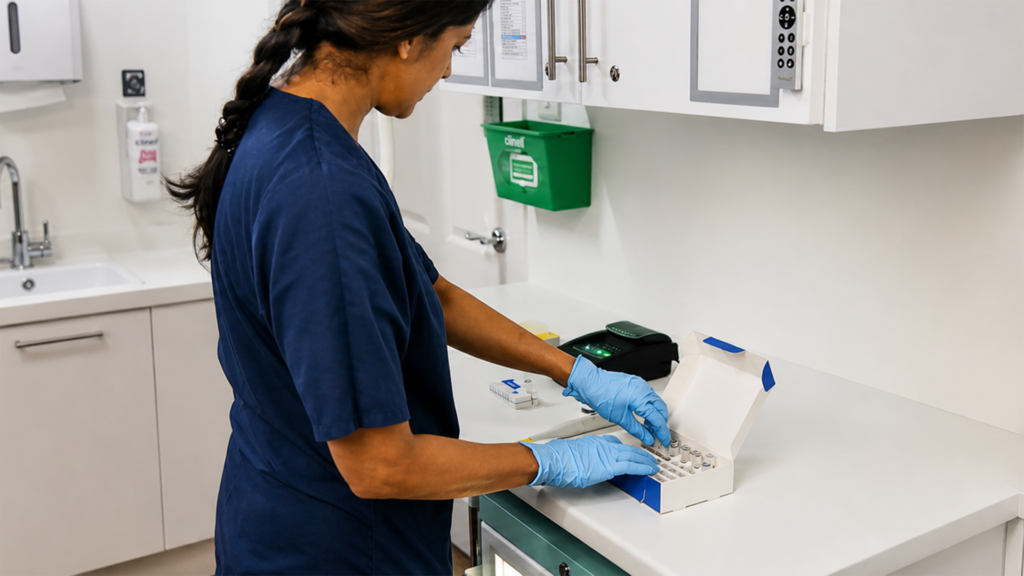
Consultant-led private healthcare provider The Forbury Clinic has launched rapid molecular testing for urinary tract infections (UTIs) across its clinics in Reading, Newcastle and London.
The service uses the Lodestar DX molecular diagnostic test, developed by Welsh medical technology firm Llusern Scientific. Integrated into the clinic’s specialist pathway for recurrent and complex infections, the point-of-care system detects bacterial DNA directly from urine samples. This delivers initial bacterial identification in 35 to 40 minutes, compared to standard laboratory culture turnaround times of 48 to 72 hours.
The test targets six primary UTI-causing uropathogens – Escherichia coli, Enterococcus species, Staphylococcus saprophyticus, Proteus mirabilis, Pseudomonas aeruginosa and Klebsiella pneumoniae – and can identify polymicrobial (mixed) infections. While the rapid test enables immediate, targeted treatment planning during a single consultation, traditional culture testing is run concurrently to determine full antibiotic susceptibility.
“For many years, we have relied on diagnostic methods that can leave patients waiting days for answers, particularly when dealing with recurrent or complex infections,” said Bob Yang, urological surgeon at The Forbury Clinic. “Instead of relying solely on symptoms or waiting several days for laboratory results, we can now identify some of the most important bacteria responsible for UTIs in around 35 minutes and use that information to help guide the next steps in treatment.”
Nuffield Health extends Careology digital cancer platform agreement
Independent healthcare provider Nuffield Health has renewed its technology partnership with digital cancer care platform Careology for a further three years.
The platform was initially piloted at Nuffield Health Derby Hospital before expanding across Nuffield Health’s oncology network of hospitals. Careology gives patients undergoing cancer treatment digital tools to log symptoms, track side effects and monitor medication compliance from home, while transmitting data to clinical teams between appointments. Patient engagement across Nuffield Health has hit 95% this year, marking a 22% increase compared to last year.
Beyond individual patient management, aggregate data gathered through the platform has informed network-wide clinical pathway changes. Research presented at the International Society of Oncology Pharmacy Practitioners (ISOPP) Congress demonstrated that remote symptom reporting via Careology helped identify elevated rates of treatment-related mouth toxicity among specific patient cohorts. The findings led Nuffield Health to update its prescribing protocols, incorporating preventative mouthwash into standard prophylactic pathways for patients receiving affected chemotherapy regimens.
“Keeping patients safe is the most important thing we do. Often, patients tell us they only contacted the team because Careology prompted them to, believing their symptoms were nothing to worry about,” said Julie Little, clinical head of nursing oncology at Nuffield Health Derby Hospital. “In reality, some required urgent clinical support. By helping us identify issues sooner, the app has enabled us to step in quickly and prevent patients from becoming seriously unwell.”
Air ambulance trial can diagnose intracranial haemorrhages
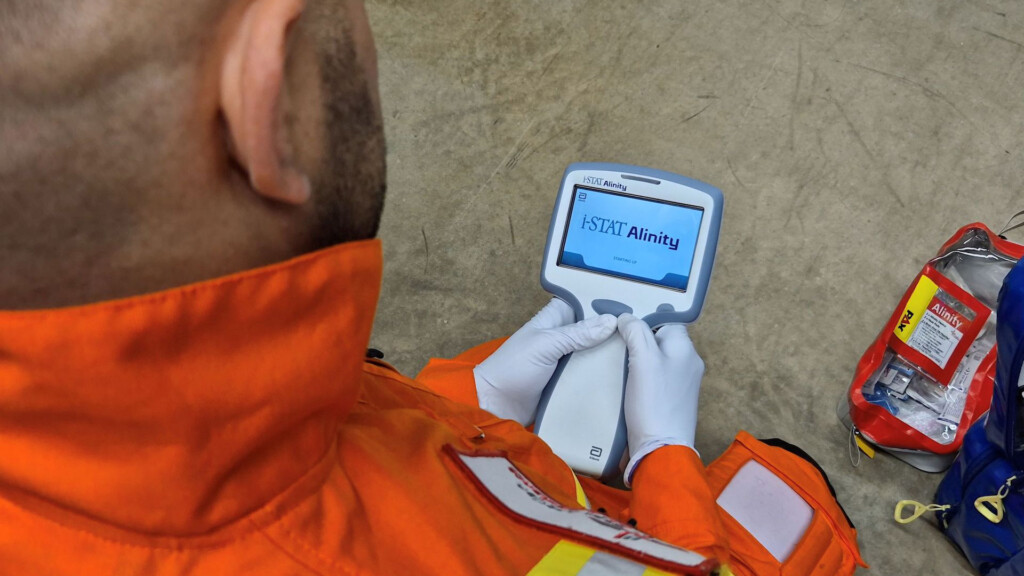
East Anglian Air Ambulance (EAAA) has trialled a point-of-care blood test deployed at the scene of medical emergencies which can diagnose bleeding on the brain.
As part of its UK-first BRAIN-FIRST programme, emergency critical care teams used the handheld Abbott i-STAT Alinity analyser to measure two key brain injury biomarkers – glial fibrillary acidic protein (GFAP) and ubiquitin C-terminal hydrolase L1 (UCH-L1) – from small whole-blood samples. Initial study results showed that combined biomarker testing correctly identified every confirmed instance of intracranial haemorrhage (33 cases) without missing a single case.
Traditionally, pre-hospital clinicians rely on clinical signs, physical examinations and patient history to assess brain injury risk, with definitive diagnosis requiring a hospital CT scan. By delivering biological confirmation at the scene, the i-STAT Alinity test provides data to guide acute triage, support direct conveyance to major neuroscience centres, and eliminate unnecessary secondary transfers between acute hospitals. Supported by philanthropic funding from Abel Homes, the charity has expanded the testing protocol to over 200 patients with suspected serious brain injury while collaborating with UK and international ambulance services to evaluate the platform in larger patient cohorts.
“Earlier identification of patients at high risk of a serious bleed on the brain has the potential to reduce delays to specialist treatment, avoid unnecessary secondary transfers between hospitals, and help ensure patients reach the right care, in the right place, as quickly as possible,” said James Price, clinical lead for research and development at East Anglian Air Ambulance.
Barts Health to use Deontics AI decision support
Barts Health NHS Trust has partnered with AstraZeneca UK and clinical AI specialist Deontics to launch an 18-month collaborative working project which uses Deontics’ Cancer Pathways IQ platform within its operational breast cancer multidisciplinary team (MDT).
The pilot is the first live deployment of the decision-support software in an operational breast cancer MDT setting and expands on existing applications of Deontics technology within lung cancer services at the Trust. The platform combines structured patient data with published clinical guidelines to provide evidence-based treatment recommendations while leaving final clinical decisions under MDT oversight. In addition, the deployment will evaluate a new automated data-extraction capability designed to pull structured clinical information directly from unstructured sources, including radiology reports, pathology findings, and referral letters.
Over the 18-month rollout, the Trust will evaluate service metrics, including reductions in MDT preparation and discussion time, capacity released per month, performance against the 62-day cancer waiting time target and overall patient throughput.
“MDTs are fundamental to high-quality cancer care, but the demands placed on them continue to increase,” said Melissa Phillips, consultant medical oncologist at Barts Health NHS Trust. “This collaboration gives us the opportunity to test a different approach within the breast cancer pathway and, importantly, to measure the results. We will be looking closely at whether it can reduce unnecessary workload and discussion, improve pathway performance and create additional capacity while continuing to support safe, high-quality clinical decision-making.”
Secure I.T. Environments to supply data centres for North Wales hospitals
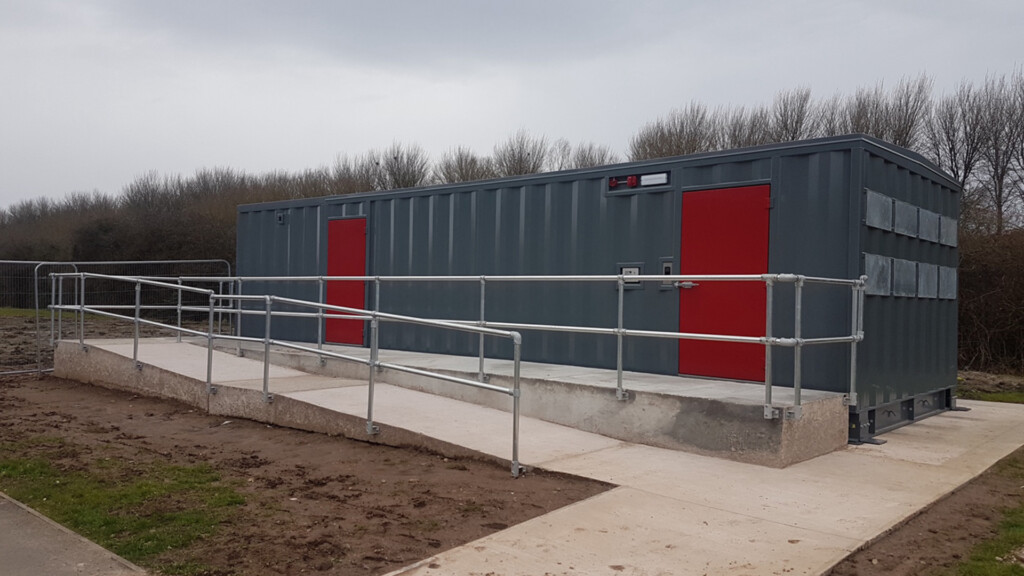
Data centre firm Secure I.T. Environments Ltd (SITE) has won the contract from Betsi Cadwaladr University Health Board to design and build two of its ModCel containerised data centres for Ysbyty Gwynedd and Wrexham Maelor Hospital in North Wales.
The standalone external data centres will house six 48U IT cabinets each and are engineered to support critical NHS hospital IT systems and digital healthcare records. Built offsite to an ISO container footprint with mechanical and electrical infrastructure fully integrated before delivery, the units will be craned into position on hospital grounds to minimise construction disruption to routine clinical operations.
Each facility will feature dual incoming power supplies routed via diverse pathways, alongside separate A and B power distribution, N+1 energy-efficient uninterruptible power supply (UPS) systems, N+1 cooling, and cold aisle containment. Physical protection features include fire-resistant modular structures, IG55 fire suppression, early-warning smoke detection, CCTV, physical access controls, and environmental monitoring. SITE is also delivering associated civil works, service connections, system commissioning and integrated testing prior to operational handover.
“Hospitals rely on their IT infrastructure to support a wide range of essential services, making resilience and reliability critical,” said Jo-Anne Garvie, commercial director at Secure I.T. Environments. “These projects combine the protection and performance of a purpose-built data centre with the advantages of offsite construction, helping minimise disruption in a busy hospital environment.”