Add us as a preferred source
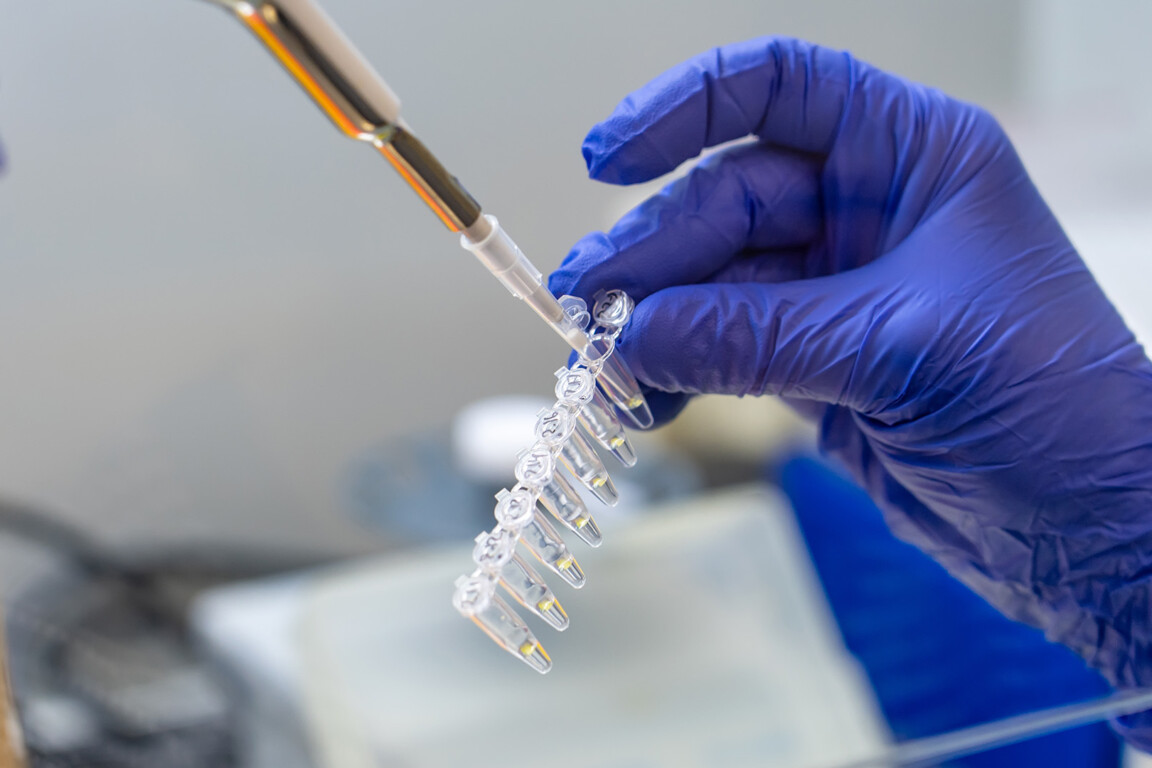
From the beginning of December, there will be subsidised genetic testing for hereditary breast and ovarian cancer at three centres in Singapore.
From the beginning of next month, subsidised genetic testing for hereditary breast and ovarian cancer will be offered by the three public healthcare clusters in Singapore. Financing support will also be enhanced for recommended downstream interventions for individuals with hereditary breast and ovarian cancer-associated gene variants.
After subsidies, eligible patients can use MediSave to cover the cost of genetic testing fully. Subsidies, MediSave and MediShield Life will also be extended to defray the costs for recommended downstream interventions, where applicable.
Subsidised hereditary breast and ovarian cancer genetic testing will be available at cancer specialist outpatient clinics at the National Cancer Centre Singapore, the National University Cancer Institute Singapore, and Tan Tock Seng Hospital. Genetic testing for HBOC is recommended for individuals with breast and/or ovarian cancer with risk factors for hereditary breast and ovarian cancer; first-degree relatives of an individual who carries a hereditary breast and ovarian cancer-associated gene variant; and individuals with a strong familial history suggestive of hereditary breast and ovarian cancer but who do not have cancer-affected first-degree relatives available for testing.
For patients who test positive, their doctor will recommend that their first-degree relatives also undergo genetic testing. This is known as cascade testing, which is similarly supported with subsidies and MediSave usage.
“The Ministry of Health will continue to enhance preventive care measures to support better health outcomes for Singaporeans,” it said in a statement. “By making genetic testing and the full range of downstream interventions accessible and affordable, [the ministry] aims to reduce the burden of hereditary cancers on individuals, families, and the broader healthcare system,” it added.
Approximately one in 150 Singaporeans carry a mutation in genes that are associated with hereditary breast and ovarian cancer. Such gene mutations significantly increase a person’s risk of developing breast and ovarian cancer. Females with such mutations have a five- to ten-fold higher lifetime risk of developing breast and/or ovarian cancer compared with the general female population. These gene mutations are hereditary and can be passed down to both males and females.