The latest innovations in healthcare, including a new deal for NHS Supply Chain, an MRI scanner unit in Northern Ireland and a mattress tracking system in East Kent.
NHS Supply Chain signs five-year deal with Tata Consultancy Services
The National Health Service (NHS) Supply Chain, which supplies healthcare products, services and food for NHS trusts and healthcare organisations across England and Wales, has signed a five-year deal with India’s Tata Consultancy Services (TCS) for application development support and maintenance of its core business systems and cloud infrastructure platforms. The company says that it will deploy a host of cloud and AI-enabled solutions to modernise NHS Supply Chain’s IT systems and enhance overall operational efficiency.
TCS intends to replace legacy systems with a modern supply chain ERP solution for faster time to market, scalability and enhanced customer satisfaction aligned with NHS Supply Chain’s vision of helping the NHS put patients first. TCS will also transform legacy operations into a product and platform-based IT operating model to meet the ever-growing needs of the healthcare providers’ system.
“Our partnership with TCS will play a pivotal role in the NHS Supply Chain Modernisation Programme,” said Matthew Wynn, executive director of data and technology at NHS Supply Chain. “Working alongside our teams, TCS will help modernise our legacy systems into a more streamlined, cloud-based environment. This shift will strengthen our resilience, improve user experience, and enable us to respond faster to changing business and customer needs,” he added.
Beyond technical transformation, TCS will support NHS Supply Chain to ensure that the changes are sustainable by introducing better governance, evolving the existing delivery frameworks and embedding a new mindset across the organisation.

New MRI scanner unit at Causeway Hospital
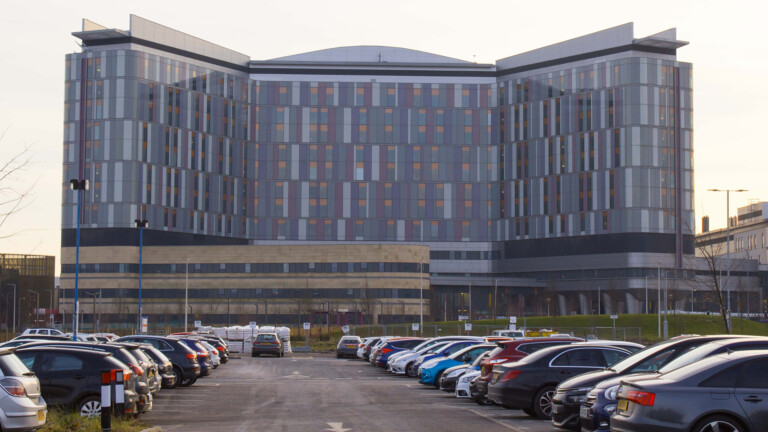
A state-of-the-art scanner at the hospital outside Coleraine in Northern Ireland will enable the Northern Health & Social Care Trust to increase its imaging capacity.
Until the opening of the scanner, inpatients at Causeway Hospital who required an MRI scan had to be transferred to Antrim Area Hospital and then returned. There were 655 patients transferred to Antrim Area Hospital from Causeway for MRI scans last year.
“The expansion of MRI capacity to the Causeway Hospital site will help increase patient flow and drive down waiting lists, ultimately resulting in better outcomes for all,” said Northern Irish health minister Mike Nesbitt.
“We have always been clear that Causeway is a key part of our acute hospital network and that our ambition is to become an elective and diagnostic hub for the northwest area. With the new MRI now operational, we are a step closer to that goal,” added Lynne McCartney, interim director for surgery and clinical services with the Northern Health and Social Care Trust.

UHS goes live with Miya Emergency
Following a similar deployment at neighbouring trust Hampshire Hospitals NHS Foundation Trust last year, University Hospital Southampton NHS Foundation Trust (UHS) has deployed Alcidion’s Miya Emergency across its largest site, Southampton General Hospital, digitising emergency department processes, integrating disparate patient data and providing visibility of patient status and A&E activity.
The new software is integrated with several existing clinical systems, building on the value of UHS’s existing infrastructure. This means that Miya Precision is now able to expose data from various hospital systems in a single interface, providing clinicians with a consolidated view of patient information without needing to log into and navigate between multiple applications.
The emergency department experienced peak activity in the first week of operations, managing more than 200 patients concurrently in the system. Feedback from the clinical staff highlighted the importance of access to information and visibility of patient movements.
“It is especially exciting to see multiple trusts in the same integrated care system successfully running on Miya Precision – this is how we really begin to unlock powerful value for patients across regions and support integrated, longitudinal care,” said Alcidion UK managing director Paul Deffley.
Queen Square Imaging Centre certified for MR-guided focused ultrasound treatments
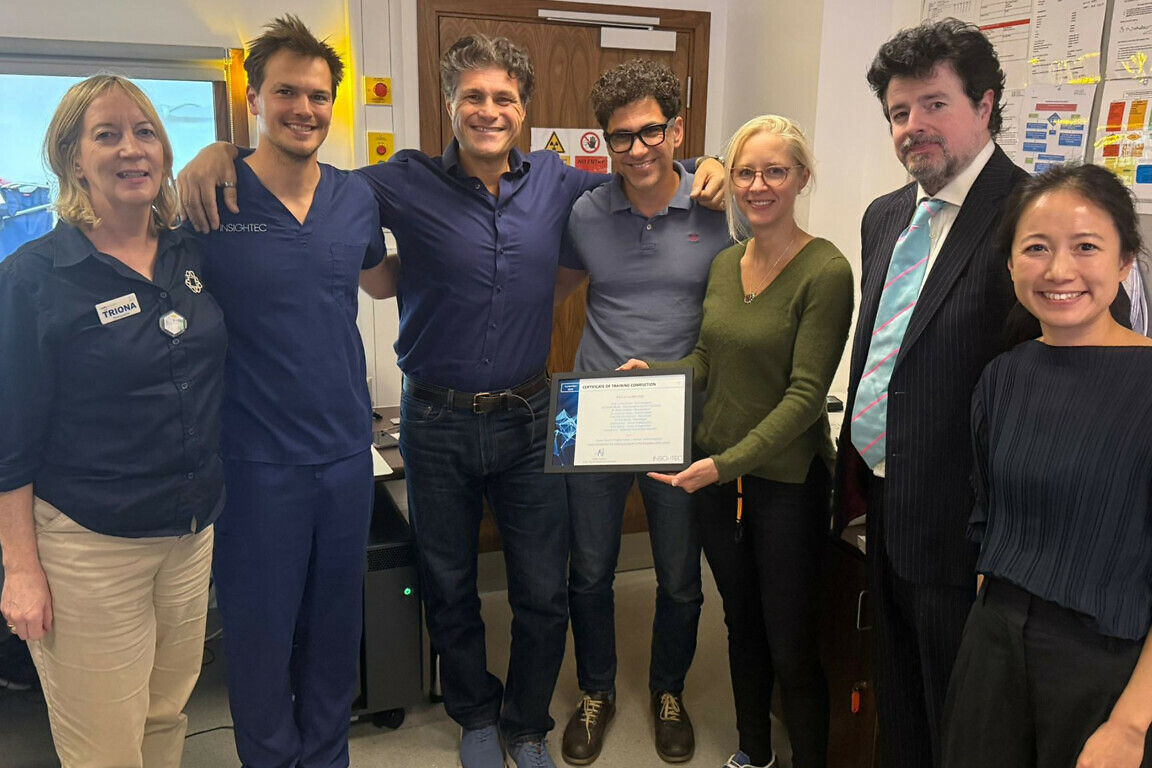
The Queen Square Imaging Centre’s functional neurosurgery team has received formal certification from global healthcare company Insightec to perform MR-guided focused ultrasound (MRgFUS) treatments.
The process requires all surgeons to complete comprehensive in-person training and supervised procedures before approval.
“This certification represents a major step forward in expanding access to incisionless brain surgery in the UK,” said clinical applications specialist Ayden Fonseca at Insightec.
Queen Square Imaging Centre is a neuroimaging facility and specialist diagnostic imaging centre, serving NHS and private patients. As part of Queen Square Enterprises, a not-for-profit organisation, the centre provides advanced neuroimaging services and treatments, including its MRI Guided Focused Ultrasound (MRgFUS) – a non-invasive and revolutionary treatment for patients diagnosed with essential tremor and Parkinson’s.
Queen Victoria Hospital launches new EPR system
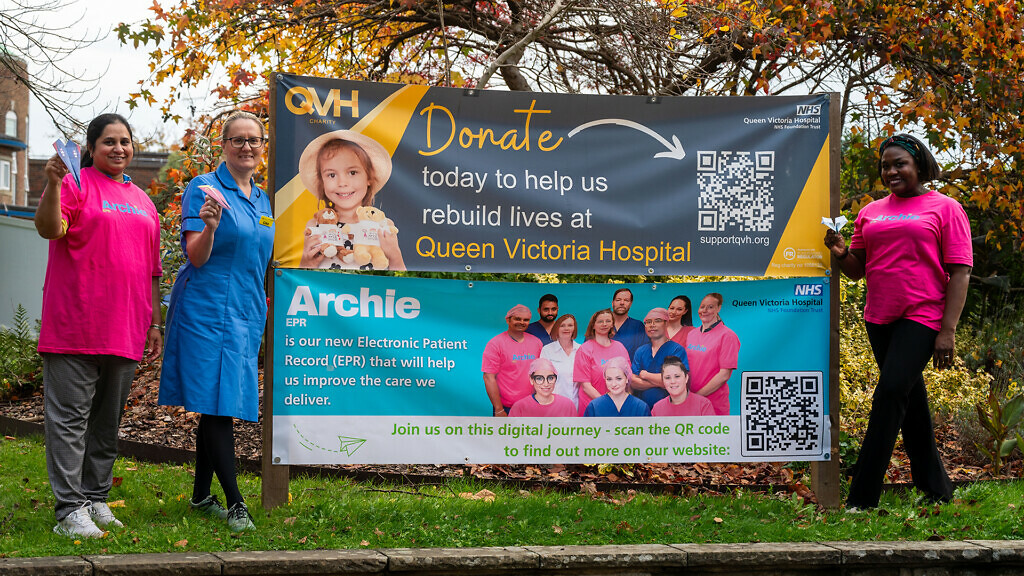
East Grinstead’s Queen Victoria Hospital NHS Foundation Trust (QVH) has gone live with its first electronic patient record (EPR) system. The specialist reconstructive surgery centre for the south east of England partnered with Altera Digital Health to launch the Sunrise EPR platform.
Dubbed Archie EPR after the pioneering plastic surgeon Archibald McIndoe, the system will allow nursing and clinical teams to receive electronic notifications to undertake reviews and guides for decision support, ensuring proactive and responsive care. The Trust intends to continue optimising the system, giving staff more time to focus on delivering care.
“I witnessed one of the smoothest transitions over from analogue to digital, and we couldn’t have done it without our staff embracing this journey,” said the Trust’s chief operating officer Kirsten Timmins.
Secure IT Environments builds new modular data centre for Somerset NHS
Design and build company Secure IT Environments Ltd (SITE) has handed over its latest external modular data centre project with Somerset NHS Foundation Trust – a 125m2 data centre which provides an energy-efficient disaster recovery facility.
SITE proposed its external modular data centre solution to meet the growing demands of on-site IT needs. While the Trust considered cloud solutions, these could not meet the requirements for existing clinical software or the cost constraints in place.
The centre was built and designed in eight months.
The modular system has the highest possible protection, including protecting against physical security threats, meeting industry standards BS476/ EN1047 and LPS1175 security ratings.
“The Trust now has additional capacity for growth for years to come, which will bring benefits to clinical care by enabling resilient delivery of clinical systems across the county of Somerset,” said Adam Morgan, deputy chief technology officer at the Trust.
East Kent Hospitals NHS Trust introduces RFID mattress tracking
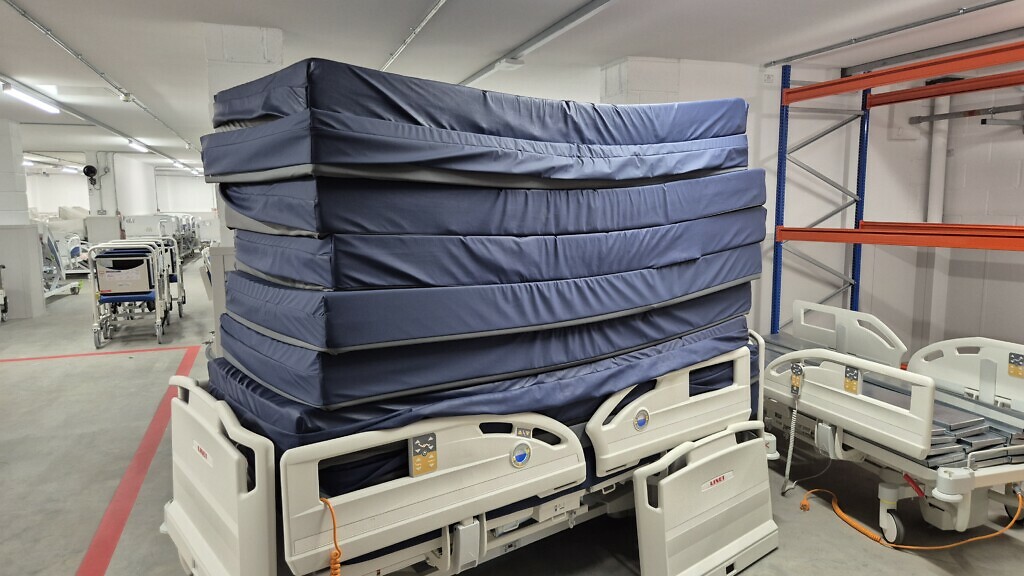
East Kent Hospitals University NHS Foundation Trust has introduced RFiD Discovery’s mattress tracking system to strengthen patient safety and ensure full compliance with Care Quality Commission (CQC) requirements.
As one of the largest hospital trusts in England, East Kent Hospitals manages thousands of medical devices across three major sites. The Trust already uses the Paragon ID company’s technology to track assets such as infusion pumps, ECG monitors and beds. It is now applying the same approach to one of the most widely used, yet traditionally difficult to manage, items in patient care: foam mattresses.
Mattresses must be inspected regularly to prevent pressure ulcers and maintain hygiene standards. Previous processes at the Trust relied on manual checks recorded directly on mattress covers, offering limited visibility and no centralised audit trail. The hospital says that more than 1,700 mattresses are now tagged with two passive RFID labels, which have improved detection rates.
“This technology has transformed the way we manage our foam mattresses. We now have complete confidence that every mattress is tested, tracked, and either maintained or disposed of appropriately, helping us keep patients safe while improving efficiency,” said Andy Barrow, head of electronics, medical engineering and radiology maintenance at East Kent NHS.