Add us as a preferred source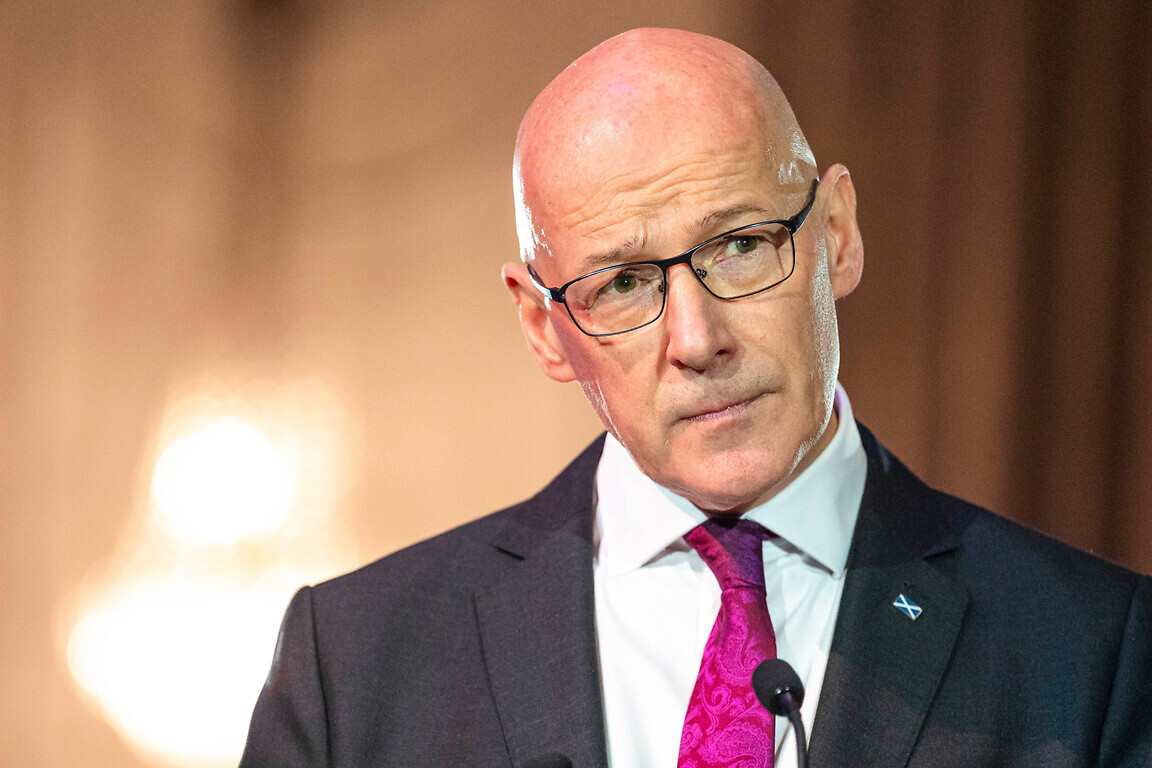
Healthcare Improvement Scotland has published the third negative report into healthcare services in Scotland in a month.
The healthcare news in Scotland has been dominated for the past week by the refusal of the SNP-dominated parliament to reuse the NHS app because of the “political optics of adopting an English solution”. Instead, it has already spent £17 million on its own app that will not be completed until 2030.
While the painfully familiar politics of grievance have had an airing, much more significant is that Healthcare Improvement Scotland has published yet another critical report into healthcare services in Scotland, the third such survey in a month and the second into maternity services.
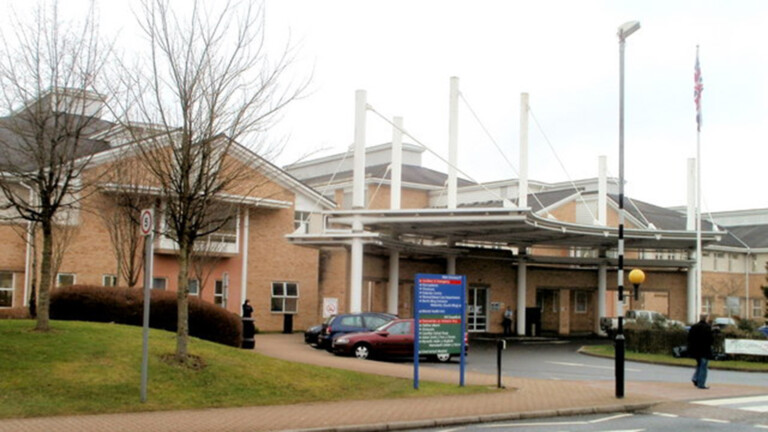
Following examinations of maternity services at NHS Lothian’s Royal Infirmary of Edinburgh and adult mental health services at the Royal Edinburgh Hospital, Scotland’s health and care improvement agency has published a report into maternity services at Forth Valley Royal Hospital, NHS Forth Valley, which raises significant safety issues.
“Forth Valley Royal Hospital maternity service in Larbert is the latest maternity service to receive a damning report from an unannounced inspection. The report highlighted that mothers were being put at serious risk and that some had to wait up to 62 hours [sic] to be induced,” said local MP Alexander Stewart at First Minister’s Questions, asking First Minister John Swinney what the Scottish government is doing to ensure that lessons are learned from the report.
72-hour labour
The unannounced inspection found frequent delays in the induction of labour of up to 72 hours “due to patient acuity and staff availability within the labour ward”.
More broadly, as well as the need for improved oversight of activity within the maternity unit to support the safe delivery of care, the report also observed the need for improved governance and oversight of adverse events to ensure these are reliably reported and that identified improvement actions are implemented.
Other areas for improvement have been identified, including systems and processes to ensure consistent and accurate assessment of real-time staffing risks, with clinical leaders receiving protected time to lead. Fire safety training, mandatory training compliance for obstetricians and midwives, and the safe storage of medicine are also areas for improvement, detailed within the report.
“Areas for improvement included improved oversight of activity within the maternity unit to support the safe delivery of care, including delays to care within maternity triage,” said Donna Maclean, chief inspector at Healthcare Improvement Scotland.
“We also observed the need for improved governance and oversight of adverse events to ensure these are reliably reported and identified improvement actions implemented in good time.”
Managed decline
First Minister Swinney responded to Stewart’s questions in parliament by saying that the purpose of the review reports that have been undertaken is “to ensure that practices are actively challenged so that they can be improved”.
Improvement is certainly needed.
Significant adverse event reviews (SAERs) in Scotland across health boards and the Scottish Ambulance Service have risen by 55% between 2020 and 2024, according to Scottish Labour figures. A total of 3,629 reviews were conducted in that period, with almost every health board reporting year-on-year increases.
Reviews within gynaecology almost tripled from eight in 2020 to 21 in 2024, in neonatal care they rose from 13 to 27, and in maternity and obstetrics from 44 to 65.
The largest number was recorded in NHS Greater Glasgow and Clyde with 1,221 reviews.
As Healthcare Today reported in April, an independent review of emergency departments within NHS Greater Glasgow and Clyde found a system under pressure, where unacceptable practices such as patients waiting on trolleys in corridors have become normalised.
“The SNP’s managed decline of our NHS is putting staff under pressure and hurting patients,” said Scottish Labour’s deputy leader and health spokesperson Jackie Baillie on social media.