Add us as a preferred source
The latest innovations in healthcare, including a genetic test for perimenopause, difficult intravenous access, support for children in hospital and much more.
Willbe launches genetic test for perimenopause
Female health and longevity platform Willbe has launched its genetic product FemGene, the world’s first test built to decode how women experience perimenopause and respond to bioidentical hormone therapy (BHRT).
Willbe predicts how a woman’s body will metabolise and respond to declining hormones, long before symptoms take hold.
The platform classifies women into clear hormonal archetypes that guide treatment pathways. Unlike traditional one-size-fits-all care, this approach enables faster relief and longer adherence to BHRT.
“Perimenopause is not just declining hormones – it’s an epigenetic reprogramming event,” said founder and chief executive Yulia Mintchin.
“The body says: the way I used to run no longer works. Whether a woman thrives or struggles is written in her genes. As hormones decline, gene expression shifts – driving how she ages, repairs, and restores. That’s why women on the same HRT dose can have completely different outcomes. By decoding each woman’s genetic blueprint, we can predict her hormonal journey and deliver targeted solutions from day one,” she added.
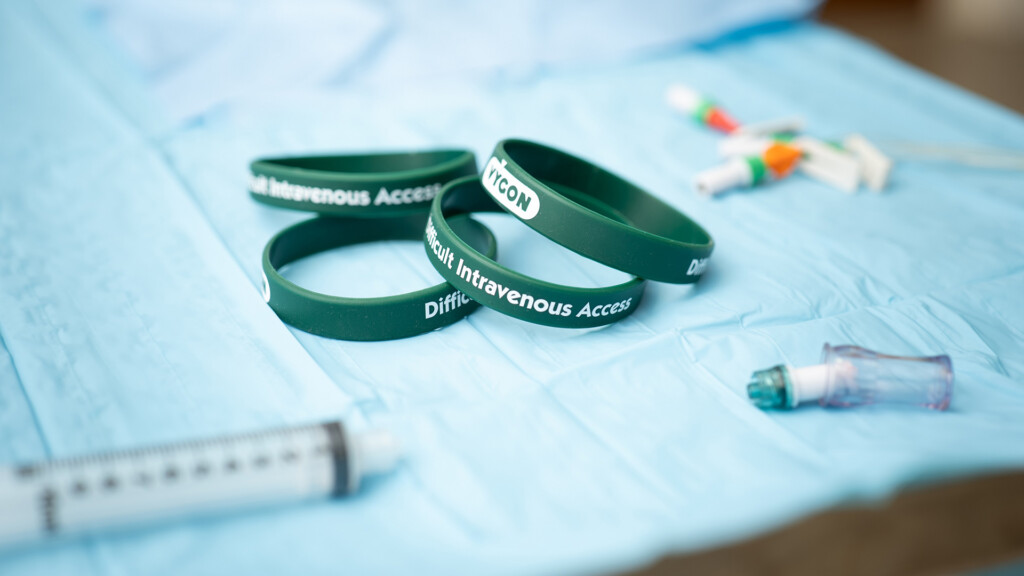
Gloucestershire Hospitals adopt wristband for patients with difficult intravenous access
Patients with difficult intravenous access at Gloucestershire Royal and Cheltenham General Hospitals are able to use a simple but effective new solution – a discreet green silicone wristband designed to alert clinical teams and help ensure these patients are seen by the right healthcare professional.
The initiative – the first of its kind in the UK – is the result of a partnership between Gloucestershire Hospitals NHS Foundation Trust’s Central Vascular Access Service and medical device manufacturer Vygon UK.
“We’d been looking for a way to identify patients with difficult intravenous access more effectively and make sure they’re seen by the right clinician first time,” said vascular access nurse practitioner Lauren Lacey. “It began with the concept of a card, but the wristband quickly stood out as a simple, visible and practical solution that could really make a difference.”
The bands – similar in style to the well-known charity wristbands – are currently being issued to patients based on a clinical scoring system. Those identified at high risk of failed cannulation are given a band to alert staff and prompt a direct referral to the vascular access team or a suitably experienced clinician.
With early success in Gloucestershire, Vygon is exploring wider NHS adoption of the wristband model to support vascular access teams and improve outcomes for more patients across the country.
Cromwell Hospital opens extension
Bupa’s Cromwell Hospital in Kensington, London, has opened its extension into the adjoining Lexham Gardens building, increasing hospital capacity.
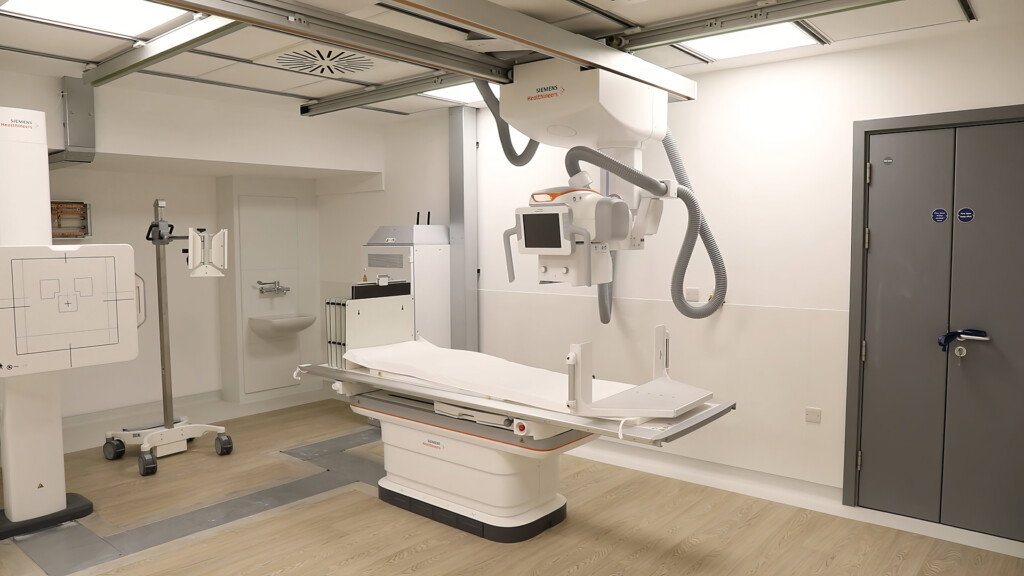
The new 33,000 square feet site will include a new therapies area, an additional theatre for robotic surgery, a chemotherapy day unit, designed to provide privacy and comfort for patients during treatment, and a new upgraded radiology department. The redevelopment will also feature new technology, including new X-ray, fluoroscopy, ultrasound, and DEXA equipment.
The therapy department has doubled in size and will benefit from a dedicated occupational therapy treatment facility, a dedicated children’s therapy area including a sensory room, and a fully equipped rehabilitation gym.
The expansion has also allowed the hospital to refresh other areas, including opening two brand-new cath labs, specialised medical facilities where consultants perform diagnostic procedures to treat cardiovascular conditions. Alongside this, there is a new 10-bed recovery department.
“We are very proud to be opening the Lexham Gardens building at Cromwell Hospital. This has been an incredible project transforming a 1970s building into a modern, sustainable medical facility that puts patients, people, and the planet at its heart,” said general manager for Bupa Health Services Sarah Melia.
Altera Digital Health partners with PC PAL
Software developer Altera Digital Health has announced a new partnership with medical software developer PC PAL to enhance paediatric care within its Sunrise electronic patient record (EPR) system. Maidstone and Tunbridge Wells NHS Trust is the first to implement it.
Through the integration of GrowthXP, PC PAL’s paediatric growth charting application, Sunrise users in the UK can support accurate growth monitoring, diagnosis, and treatment planning.
The software provides a library of growth references, including local UK standards, as well as data covering over 50 rare disorders.
“The transition from paper-based to digital growth charts has revolutionised the way healthcare professionals at Maidstone and Tunbridge Wells track and monitor growth,” said Shehriyar Khan, clinical information officer for women, children and sexual health at the Trust.
“Replacing traditional paper-based charts with fully digitised charts has improved accuracy, accessibility, and standardisation, enabling our healthcare teams to make more informed decisions and provide better care. There has been overwhelmingly positive feedback from users after transitioning to the digital growth charts, leading to improved efficiency and productivity in the clinical environment.”
Starlight teams up with Ravensburger
Play in healthcare charity Starlight has partnered with German toy company Ravensburger to include its new Play+ toy range in Starlight’s resource boxes.
More than 7,000 Ravensburger toys from Ravensburger’s Play+ range and other items from its range for older children will be distributed to health play teams across the UK.
The products, which include interactive books, educational toys, games, puzzles and crafts, have been selected from Ravensburger’s ranges by Starlight’s experts to complement much-needed resources already supplied by the charity through their Play Boxes.
Starlight’s Play Boxes support learning and emotional well-being for children of all ages. They are a vital resource for hospital professionals – allowing them to soothe, calm and support children when they are undergoing treatment.
Play reduces children’s anxiety and trauma associated with treatment and medical procedures, which can also reduce the need for sedation, the length of hospital stays, repeat appointments, the risk of poor mental and emotional health now and in the future, and NHS inefficiencies and costs.
“Play is not just fun – it’s an essential part of healthcare. It helps health play staff prepare children for treatments and procedures, as well as helping with their recovery from operations. This support is vital to ensure children’s long-term emotional wellbeing and development,” said Jonny Wright, director of income generation and engagement at Starlight.
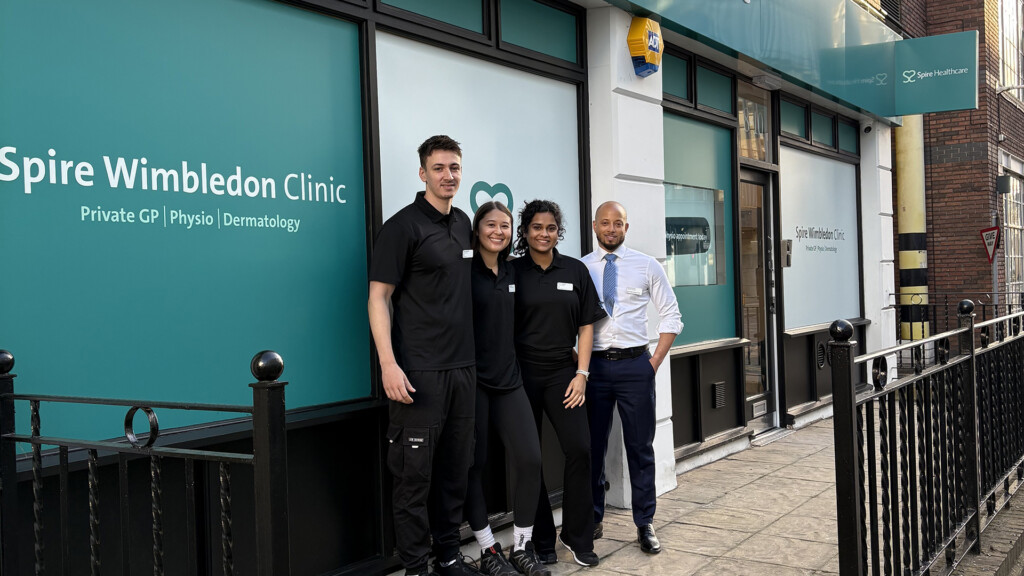
Spire Healthcare launches new private physiotherapy and GP clinic
Spire Healthcare, Britain’s second-largest provider of private healthcare, has opened a new private physiotherapy and GP clinic in central Wimbledon.
With up to 56 GP appointments and 125 physiotherapy appointments available weekly between 0800-2000 Monday to Thursday and 0800-1600 on Fridays, patients have the choice of booking either 15-, 30-, 45- or 60-minute GP appointments and 30-or 45-minute physiotherapy sessions.
Physiotherapy services include targeted treatment for conditions of the spine, shoulder, knee, foot, ankle, hand and sports injuries. With skills in soft tissue techniques, taping, manipulative therapy, injection therapy and exercise rehabilitation, the clinic creates tailored treatment plans for patients.
Private GP services include blood tests, sexual health, mental health support, medical certificates, as well as dedicated men’s and women’s health care. Patients can also be referred for diagnostic investigations with access to MRI, CT scans, x-ray and ultrasound facilities, supporting conditions across orthopaedics, urology, cardiology, and more.
Consultations are available in multiple languages, with the option to book convenient video appointments when needed.
“For families living in and around Wimbledon, they now have easy access to fast, high-quality GP and physiotherapy services,” said Daniel Fenton, GP and medical director.
“Companies in the Wimbledon area are also able to sign up to provide their employees with fast access to healthcare when they need it, to ensure they remain healthy at work. Our specialist physiotherapy services are available to both private patients and corporate clients,” he added.
Caddick named as preferred bidder by Delamere Health
Cheshire-based addiction rehab clinic Delamere has selected Caddick Construction as the preferred bidder for the development of a £20 million addiction clinic on the site of the former Nottinghamshire Fire & Rescue HQ in Bestwood.
Now in a pre-construction services agreement, Caddick will deliver a preliminary package of works to make way for the new residential addiction treatment clinic.
Caddick’s initial work on site will include the demolition of Nottingham Fire & Rescue’s former HQ, which is scheduled to begin early next year. This will be replaced with a new build clinic comprising 32 residential rooms with supporting treatment spaces.
Designed by architects, Anderson Orr, the clinic will offer premium facilities, including a wellness suite, a fully equipped gym, steam room and sauna, a meditation area and individual and group therapy rooms.
“The site’s development represents a huge investment and opportunity for the borough, and our ambition for what will become the flagship treatment facility in Europe,” said founder and chief executive Martin Preston.

Signature Clinic launches new laser technology treatment
Signature Clinic, the UK’s largest provider of cosmetic surgery, has launched a new carbon dioxide laser technology treatment.
The Repair and Repair & Skin Renew programme, which brings together carbon dioxide laser technology, scar gel, and regenerative exosome therapy, offers advanced scar refining, skin rejuvenation and recovery support designed to help patients heal confidently.
“What sets carbon dioxide laser technology apart is its ability to stimulate deep collagen remodelling while resurfacing the top layers of the skin,” said plastic surgeon Mohamed Abdelhady. “This dual action means patients see meaningful improvements in both scar appearance and overall skin quality.”
Sanius Health is using AI to reduce hospital admissions
London-based digital health company Sanius Health is using AI and remote monitoring to reduce hospital admissions and improve patient outcomes.
For patients with conditions like sickle cell disease, early signs of deterioration often go unnoticed until they trigger a hospital admission. Sanius Health’s AI models analyse wearable device data and patient-reported outcomes – including hydration, sleep, fatigue, and pain – to generate daily risk scores.
These models can predict an oncoming vaso-occlusive crisis (VOC) with up to 92% sensitivity, giving patients and care teams a crucial window to intervene.
Sanius’ system is also applied to multiple myeloma (MM) and chronic myeloid leukaemia (CML), where disease progression varies greatly among patients.
Sanius integrates its predictive insights into digital care pathways designed to be intuitive, low-burden, and meaningful for patients.
“Healthcare for rare and chronic conditions has traditionally been reactive. Patients often only receive intensive care once a crisis has already occurred,” said founder and chief executive Orlando Agrippa.
“By combining real-time patient data, predictive AI, and targeted care interventions, we can anticipate complications before they escalate and empower both patients and clinicians to act early.