Add us as a preferred source
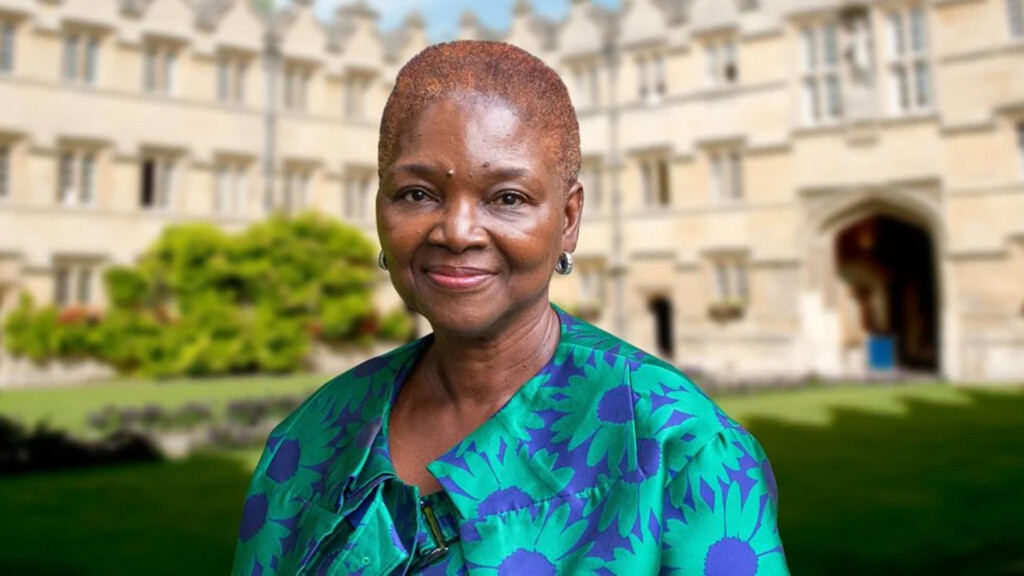
Valerie Amos’ interim report into maternity and neonatal services in England is as bleak as expected, with stories of distress, pain and racism.
The interim report of Valerie Amos, Baroness Amos, of her independent investigation into maternity and neonatal services in England is as bleak as expected. Her initial impressions in December into 14 hospital trusts as part of a rapid, independent, national investigation into maternity and neonatal services set the tone.
The national investigation was launched in July last year by health and social care secretary Wes Streeting to drive urgent improvements to care and safety after a number of high-profile cases and rising medical negligence claims.
Amos’ initial findings come in the aftermath of a report from the Public Accounts Committee (PAC) which found that not only has the government’s liability for clinical negligence quadrupled over the past two decades to £60 billion last year, the Department of Health and Social Care (DHSC) is unable to show any meaningful action taken to address this, and the NHS has not done enough to tackle the underlying causes of patient harm.
The interim report comes in the slipstream of the MBRRACE-UK Collaboration investigation into maternal deaths in the UK and shows that the mortality rate for women who died during or soon after pregnancy between 2022 and 2024 was 20% higher than the maternal death rate between 2009 and 2011.
“A 20% increase in maternal deaths over a 15-year period is very concerning, especially as pressures on maternity services have not eased,” said Marian Knight, director of the National Perinatal Epidemiology Unit and MBRRACE-UK programme lead.
Distress and pain
“We have heard about families being disregarded and not listened to during pregnancy and labour, a lack of kindness and compassion, and reluctance on the part of trusts and professionals to admit mistakes and say sorry when things have gone wrong,” said Amos in her interim report.
She and her team have met with more than 400 families, and 8,000 people have so far submitted evidence to her investigation.
Although she emphasises that she has not finished evidence gathering and analysis, she paints a consistent picture of distress and pain.
“Women and families have told us about the high levels of distress, pain and suffering that are caused when death or serious harm occurs, leading to psychological trauma and a loss of trust, which is compounded when the system fails to respond quickly and appropriately,” she writes.
Most shocking of all are her reports of persistent inequalities within the maternity and neonatal system, specifically the “notably higher risks” of adverse outcomes for women from Black and Asian backgrounds and women living in more deprived areas.
Black women are almost three times as likely to die during pregnancy or up to six weeks after birth compared with White women, and Asian women were 1.3 times more likely to die during the same period, she writes. At the same time, women living in the most deprived areas have twice the rate of maternal mortality compared with those in the least deprived areas, she says.
This backs up a Liverpool University study that Healthcare Today highlighted in November that found that babies born to mothers of black ethnicity face an 81% higher risk of death compared with babies of white mothers.
The interim report makes no firm conclusions or recommendations. Streeting has promised to act on her final recommendations, which will be published in June.
Racism and discrimination
The Royal College of Midwives (RCM) has described the report as “harrowing”.
“For years, the RCM has argued that staffing and funding are not keeping pace with the growing complexity of maternity care and these findings reinforce that. Even Trusts meeting recognised staffing targets may not have safe staffing in practice. Without ring-fenced investment in the workforce and infrastructure, midwives will not be able to deliver the safe care women and babies deserve,” said RCM chief executive Gill Walton.
“We are also deeply troubled by the findings on racism and discrimination, experienced both by women using services and by the staff working in them. This is not a secondary issue – tackling racism and discrimination is fundamental to improving outcomes for all women,” she continued.
Rory Deighton, acute director speaking on behalf of the NHS Confederation and NHS Providers, said he hoped the report would mark a “turning point”.
“[Health leaders] recognise that there have been unacceptable failings in maternity and neonatal care and they are committed to doing everything within their power to ensure these are not repeated,” he said.
While Amos’ report focuses on England, many of the same issues are being seen in Scotland, which has been undergoing its own maternity review. Health Improvement Scotland, a public body, has said that all of Scotland’s maternity units are on track to be inspected by the end of March next year.
It was agreed with the Scottish Government that Healthcare Improvement Scotland would undertake an initial eight on-site inspections by the end of March. “We are on schedule to achieve this,” said chief executive Robbie Pearson.
“The inspections are unannounced – meaning that the unit will get no warning that inspectors are on their way – and the reports will be made publicly available around twelve weeks after each unit has been inspected,” he added.