Add us as a preferred source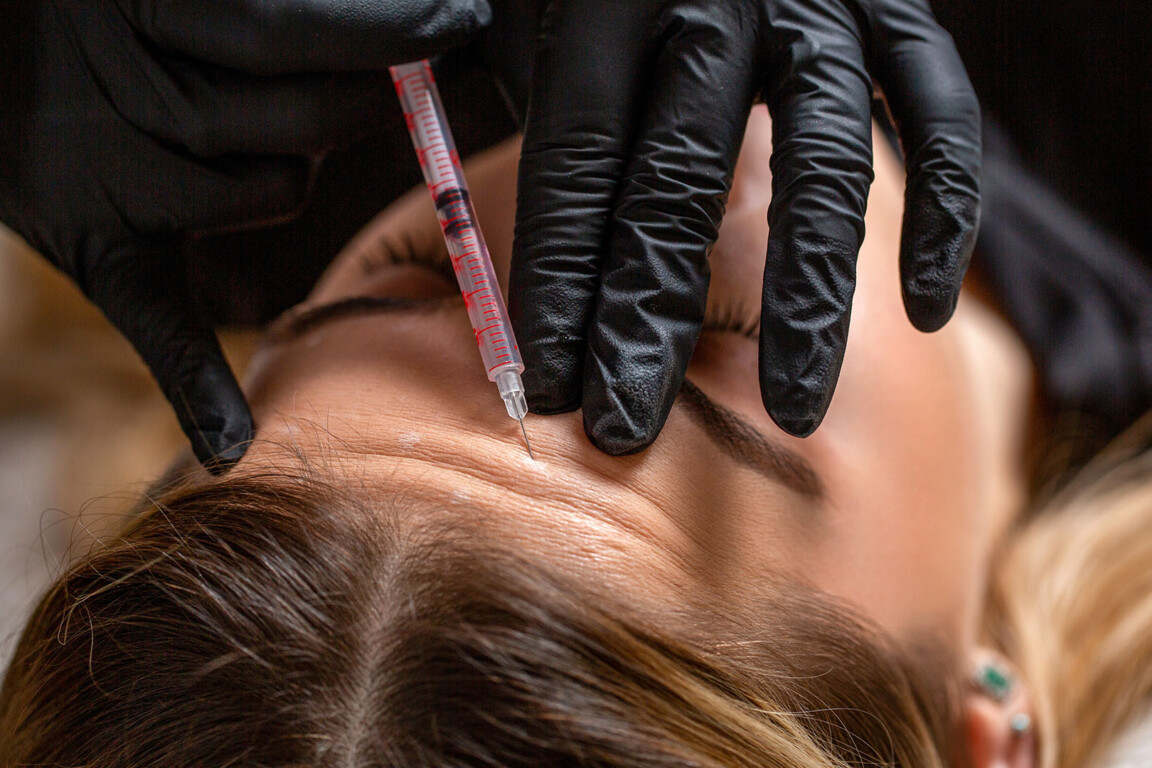
Research from UCL finds that aesthetic treatments are cheaper and more common in deprived areas where specialist medical care is less likely.
The UK aesthetic medicine industry has outpaced regulation, with treatments cheaper and more common in deprived areas where specialist medical care is less likely.
A UCL study identified 19,701 practitioners working across 5,589 clinics. This compares with 3,667 practitioners identified in a 2023 national study, with the authors noting that the differences may reflect both rapid market expansion and more comprehensive mapping of online and social media-based providers.
Researchers found that the proportion of practitioners without a medical background doubled from 12% to nearly 25% between 2023 and 2025, while medical doctors accounted for under a third of practitioners.
The differential access across socioeconomic groups highlights a “trade-off between accessibility and potential safety oversight” which forthcoming reforms must “address directly”.
“The proliferation of botulinum toxin providers who do not have professional healthcare backgrounds raises questions regarding the adequacy of training standards and highlights challenges for the impending government reforms,” said lead author and plastic surgery registrar Alexander Zargaran at Royal Free London NHS Foundation Trust.
An ongoing issue
This is an ongoing issue. As Healthcare Today reported in November, the Society of Radiographers and the Harley Street Skin Clinic have called for an end to the “wild west” of medical procedures on the high street. And Mike Clifford, partner at law firm Weightmans, has said that regulation of non-surgical cosmetic procedures in England is both overdue and welcome.
The researchers in this study are the first to examine socioeconomic differences in access to botulinum toxin injections across the UK.
They found that the treatment is more readily available in deprived areas. However, this increased access is largely driven by a growing presence of non-medical practitioners – and with significantly lower access to specialist doctors and clinical settings, this highlights a potential inequality in safety oversight.
“Practitioner background was the strongest determinant of pricing in this market. Doctors charged around 30% to 40% more than non-medical practitioners, with dermatologists and plastic surgeons consistently occupying the highest price tier,” said co-author David Zargaran, skin surgery fellow at Guy’s and St Thomas’ NHS Foundation Trust.
“These differences were larger than those explained by geography or premises type, suggesting that market competition is structured primarily around practitioner qualification rather than location,” he added.