Add us as a preferred source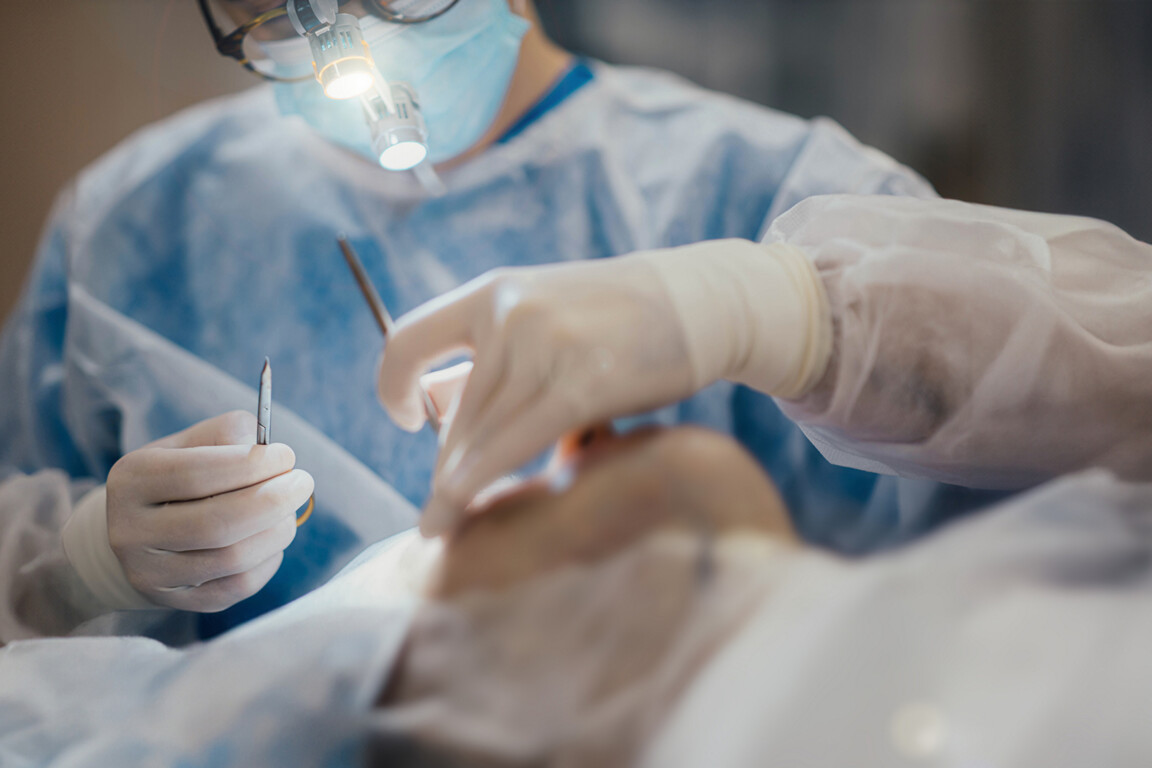
The new College is dedicated to strengthening education, collaboration and professional standards within cosmetic surgery.
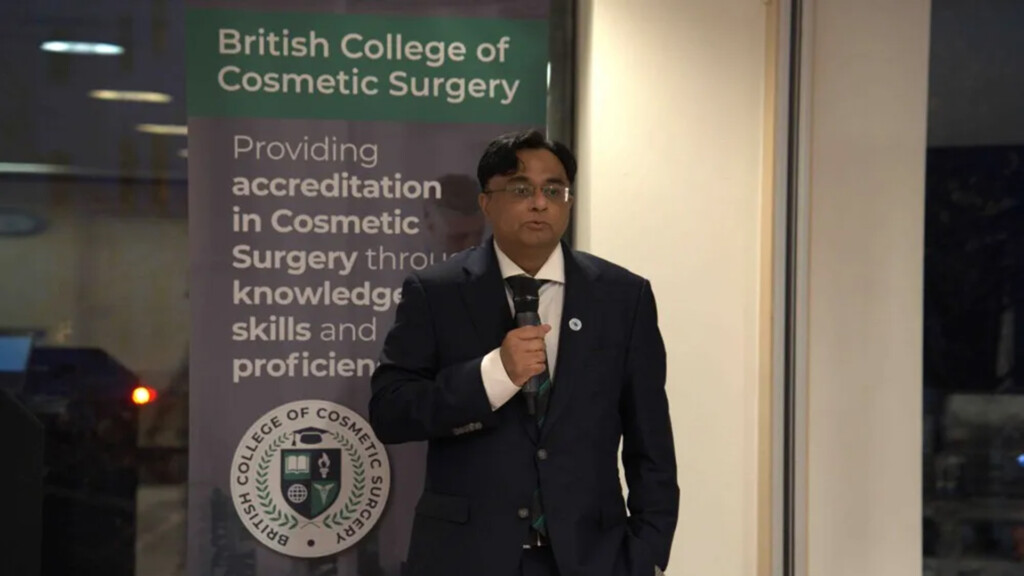
It has long been recognised that aesthetic medicine has been outpacing regulation. To bring some standards to the industry, the British College of Cosmetic Surgery, an initiative dedicated to strengthening education, collaboration and professional standards within cosmetic surgery, has launched.
The College has been established to create an official, profession-led standard for cosmetic surgery practice in the UK. Through a structured and rigorous fellowship pathway, it hopes to ensure surgeons demonstrate measurable competence, transparency and commitment to patient safety.
The founding board includes Ashish Dutta, founder of Aesthetic Beauty Centre; consultant plastic, aesthetic and reconstructive surgeon Ian Morgan; cosmetic surgeon and dermatologist Alexandra Chambers; cosmetic surgeon Mabroor Bhatty; and Sayani Sainudeen, chief executive and chairman of Y1 Capital.
“Cosmetic surgery continues to evolve rapidly, and with that evolution must come clear, measurable standards. Our aim is to provide patients with confidence and surgeons with a framework that reflects true excellence,” said Sainudeen. “This fellowship is about accountability, transparency and raising the bar for our entire speciality across the UK,” he added.
The fellowship is open to UK surgeons, including plastic surgeons, general surgeons, breast surgeons and doctors practising cosmetic surgery. It provides a structured pathway for surgeons who may not be on the GMC specialist register in plastic surgery to demonstrate competency through independent assessment.
While there is already a voluntary certification scheme run via the Royal Colleges, the British College of Cosmetic Surgery provides a dedicated body focused exclusively on cosmetic surgery standards across specialities.
A wild west
As the College begins to accept fellowship applications, its founders hope it will become the defining accreditation for cosmetic surgery practice in the UK. By combining written examination, case scrutiny, observed surgery, oral assessment and peer review, the British College of Cosmetic Surgery introduces one of the most comprehensive cosmetic surgery accreditation processes currently available.
It is something that is needed. Research from UCL has found that aesthetic treatments are cheaper and more common in deprived areas where specialist medical care is less likely.
“The proliferation of botulinum toxin providers who do not have professional healthcare backgrounds raises questions regarding the adequacy of training standards and highlights challenges for the impending government reforms,” said lead author and plastic surgery registrar Alexander Zargaran at Royal Free London NHS Foundation Trust.
The UK’s non-surgical aesthetics industry is worth more than £3 billion and is growing rapidly. Treatments such as Botox, dermal fillers, laser therapy and chemical peels are now commonplace, often promoted heavily through social media. Demand is increasingly driven by younger demographics, shaped in part by online beauty standards and algorithm-driven exposure.
At the beginning of March, Chris Dexter, partner at law firm Weightmans, noted that “in the absence of robust regulation, the sector has become a wild west in which procedures have reportedly taken place in Airbnbs, hotel rooms, garden sheds and even public toilets”.
The consequences of this regulatory vacuum, he continued, are not theoretical – they are reflected in legal claims and the rise in insurer-notified cases involving people who have suffered serious, and sometimes life-changing, injuries as a result.