Add us as a preferred source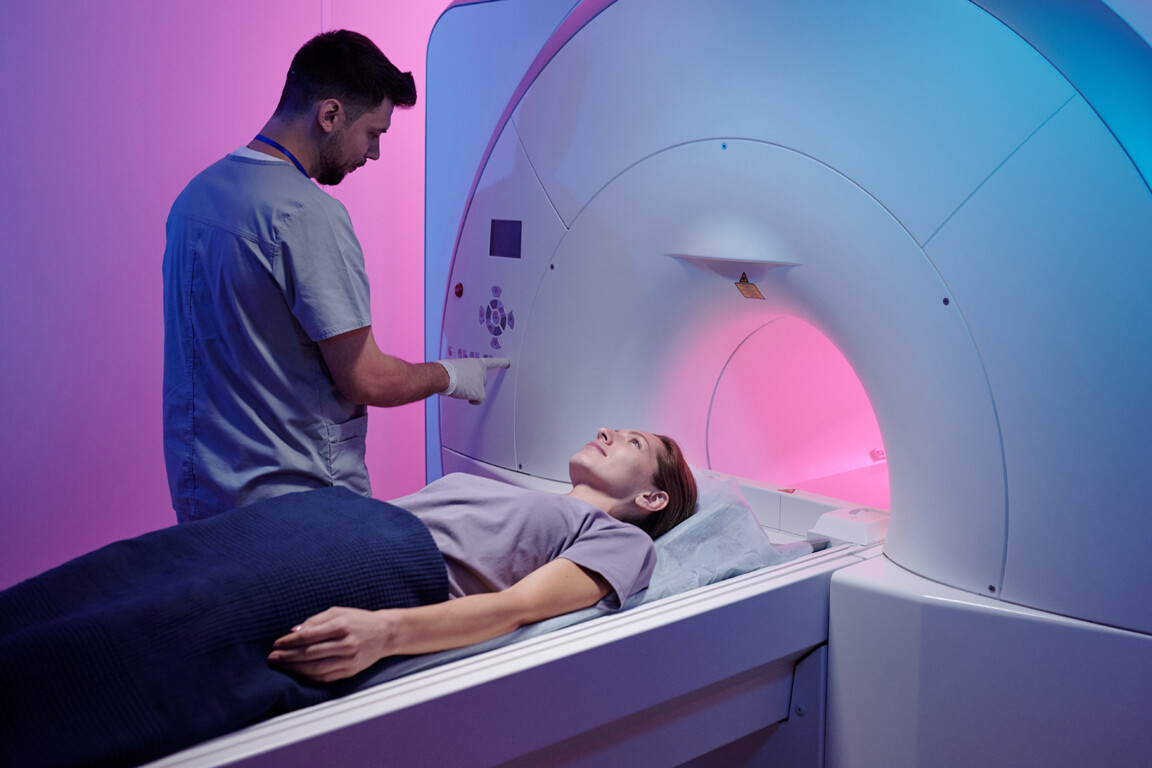
Routine whole-body MRI scans reveal more about multiple myeloma patient health than previously thought, study finds.
Researchers at The Royal Marsden NHS Trust have found that routine whole-body MRI scans can reveal far more about multiple myeloma patient health, including likely patient outcomes, than simply showing where their cancer is.
Multiple myeloma is an incurable cancer of the plasma cells, and around 6,000 people are diagnosed with the condition every year in the UK. Patients often undergo prolonged treatment involving combinations of drugs over several years. While advances in treatment have significantly improved survival, these treatments can also affect muscle, body fat and overall physical health. Yet, until now, clinicians have had limited ways of objectively measuring these changes.
Researchers at The Royal Marsden developed an AI tool that can automatically measure a multiple myeloma patient’s skeletal muscle, body fat and organ volumes based on routine whole-body MRI scans only.
Measurable changes to body composition
As part of the study, the MRI scans of 40 patients who had undergone imaging before treatment, after induction chemotherapy, and following a stem cell transplant, were analysed by the team’s AI tool.
The Royal Marsden research team found that treatment was associated with measurable changes in body composition. For example, abdominal skeletal muscle decreased following induction chemotherapy, while both subcutaneous and visceral fat increased during treatment, before partially recovering after a stem cell transplant.
“This research shows that we can learn more from the MRI scans that patients are already having as part of their care,” said Christina Messiou, chief investigator of the study, consultant radiologist at The Royal Marsden, and professor for personalised oncology at The Institute of Cancer Research. “By using AI to understand changes in body composition over the course of treatment, we hope to build a more complete picture of a patient’s overall health, not just how their cancer is responding.”
In the future, this approach could help to identify patients who would benefit from a more holistic approach to cancer care, including additional support such as physiotherapy, nutritional advice or exercise programmes. It could also help to detect treatment side effects earlier, and enable clinicians to compare the impact of different therapies on patient wellbeing, Messiou added.
“While this technology is still at the research stage, our long-term vision is for every whole-body MRI scan to provide not only information about the disease itself, but also valuable insights into a patient’s overall physical health, helping us deliver more personalised care.”
Larger, multicentre studies are now needed to confirm these findings before the technology can be introduced into routine clinical practice, the trust said.