Add us as a preferred source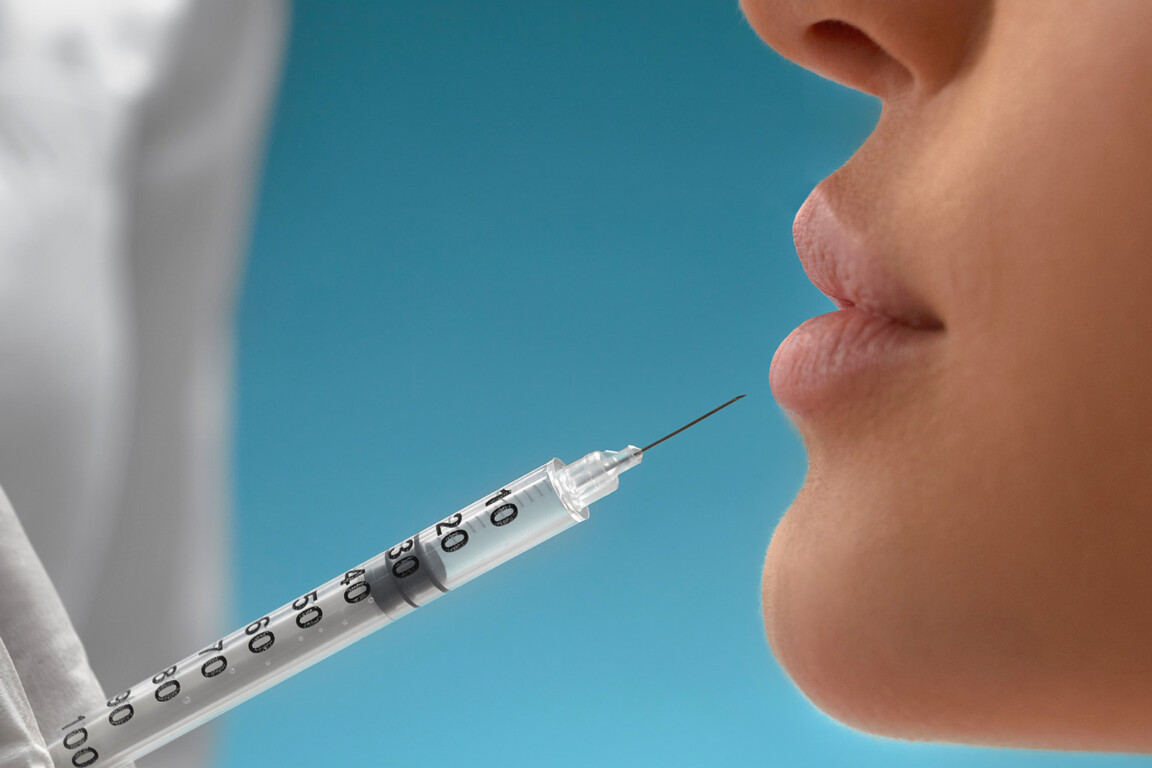
BBLs and breast augmentation surgery might be less popular than before, but a desire for a quick fix for Ozempic face highlights the need for urgent reform of the sector.
Britain’s obsession with bigger breasts and dramatic curves is starting to fade as new figures reveal women are increasingly opting for subtle facial procedures rather than body enhancements.
The latest annual audit from the British Association of Aesthetic Plastic Surgeons (BAAPS) shows that 26,840 cosmetic procedures were carried out last year, a 2% drop from the previous year. While breast augmentation remains the UK’s most popular procedure, demand is falling sharply, down 8% overall.
Superficial gluteal lipofilling (SGL), a safer alternative to traditional Brazilian Butt Lifts (BBL), designed to prevent fatal pulmonary fat embolisms, has also plummeted by 38%.
On the other hand, breast implant removals are rising, while procedures designed to refresh the face, including facelifts and eyelid surgery, are becoming increasingly popular. One of the fastest-rising procedures is the brow lift, for example, which has surged 27% overall.
“For the first time, we are seeing the number of patients undergoing breast reduction and implant removal surpass those opting for augmentation,” said BAAPS president Nora Nugent.
“This reflects a broader shift away from exaggerated curves towards a more natural silhouette – one that better complements active lifestyles and the continued rise of athleisure fashion,” she added.
The shift in demand has been largely driven by the increasing use of weight loss drugs like GLP-1.
“Awareness of the side effects of weight-loss drugs such as Ozempic face has also driven medical reasons for patients seeking facial aesthetic procedures,” said former BAAPS president Rajiv Grover, who compiled the audit.
Reform is needed
But there is a broader issue of pressure on the aesthetic surgery industry in Britain to get its house in order. Earlier this year, research from UCL found that aesthetic treatments are cheaper and more common in deprived areas where specialist medical care is less likely.
“The proliferation of botulinum toxin providers who do not have professional healthcare backgrounds raises questions regarding the adequacy of training standards and highlights challenges for the impending government reforms,” said lead author and plastic surgery registrar Alexander Zargaran at Royal Free London NHS Foundation Trust.
There are some indications that the industry is trying to get its own house in order. At the start of the month the British College of Cosmetic Surgery, an initiative dedicated to strengthening education, collaboration and professional standards within cosmetic surgery, launched.
But the sense is that the sector is not moving quickly enough. Last month, Chris Dexter, partner at law firm Weightmans, called for urgent regulatory reform of the sector in England.
“In a billion-pound sector carrying real medical risk, delayed regulation could be seen to cause unnecessary risk to patients and damage trust. Licencing would raise standards, cut complaints and claims, and lower premiums,” he said.
Responding to the BAAPS report, Vivien Lees, senior vice-president of the Royal College of Surgeons of England, made a similar point. “Trends in cosmetic surgery might change, but the need for patient safety does not. These are complex, invasive procedures that only belong in the hands of trained, regulated surgeons,” she said.
She went on to call on the government to close the loophole that currently allows surgery to be done by any doctor on the GMC register, without proper surgical training and oversight.
The dangers come to the fore precisely in the issues raised by the BAAPS report. Michael Saul, partner at Cosmetic Surgery Solicitors, warned that patients experiencing Ozempic face may be in a “vulnerable position”.
An urgent desire to fix what they see as a problem is precisely where unscrupulous practitioners could appear. “That emotional state can lead people to act quickly, prioritise cost, and skip the due diligence that protects them,” he warned.