Add us as a preferred source

The latest investment rounds and grants across healthtech, medtech, and life sciences, featuring pre-seed rounds and Innovate UK grants as well as a blockbuster round for an AI drug discovery giant.
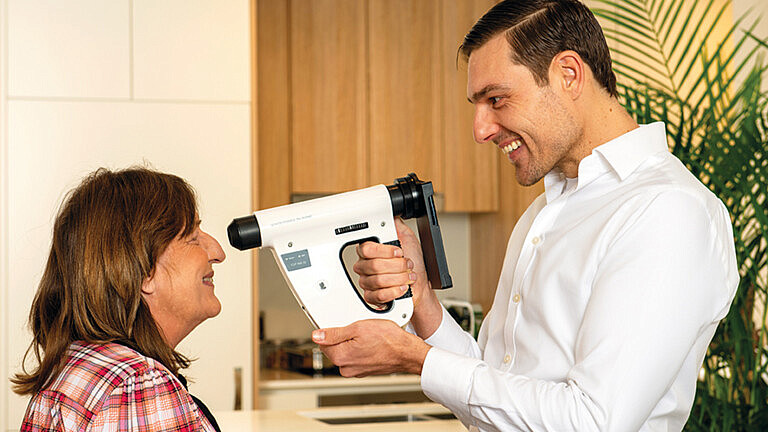
Nayara secures £387,865 pre-seed funding
London-based healthtech company Nayara has closed a £387,865 pre-seed funding round led by early-stage investor SFC Capital.
Nayara develops clinical-grade AI companions for hospitals, health systems, and medical technology firms to support patients outside the clinic. Designed to answer routine questions, provide personalised guidance, and proactively check in with patients between appointments, the platform automatically triages conversations and routes issues requiring clinical attention to the appropriate care team. The company’s technology is already deployed across clinical pathways, including a breast cancer companion.
The pre-seed funding will accelerate product development, formal clinical validation and commercial expansion across health system partners.
“Technology has transformed what medicine can achieve, but the way we support patients has struggled to keep pace,” said Gal Moore, co-founder and chief executive of Nayara. “We started Nayara with a simple belief: no patient should feel alone in their healthcare journey. No warning sign should go unaddressed because the clinical team lacked the information, or the time, to act.”
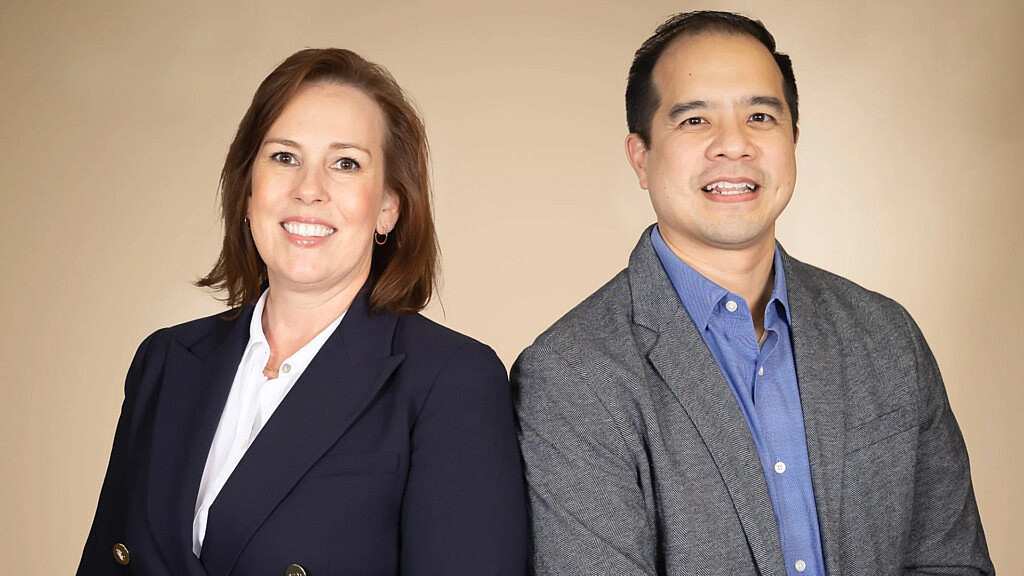
Calla Lily Clinical Care awarded £700,000 Innovate UK grant
London-based women’s health company Calla Lily Clinical Care has received a £700,000 Innovate UK grant through its Growth Catalyst: Investor Partnerships programme, which pairs public grant funding with matched private investment to support a £1 million project.
The clinical-stage company has developed Callavid, a patented intravaginal drug delivery platform. The funding supports the FLORA (Focused Lactobacillus Optimised Retention and Adhesion) programme, which will adapt the Callavid device to deliver live biotherapeutic products and probiotics designed to restore vaginal microbiome health and reduce reliance on repeated antibiotic courses. The company aims to develop the device into an over-the-counter product that improves bacterial retention and colonisation while eliminating the leakage and dosing inconsistencies associated with conventional formats.
The award is Calla Lily’s third Innovate UK grant and follows independent funding for two other applications of its platform: an NIHR-backed clinical trial evaluating progesterone delivery for threatened miscarriage, and participation in Wellcome Leap’s $50 million (£38 million) Focused Antibiotics programme.
“Innovate UK has backed us from our earliest days and helped us build Callavid capital-efficiently. This third award takes us into an entirely new area,” said Thang Vo-Ta, co-founder and chief executive of Calla Lily Clinical Care. “The vaginal microbiome is one of the most exciting frontiers in women’s health, but even the best bacteria will only help if they reach the right place and stay there. This is where Callavid can make a real difference for women.”
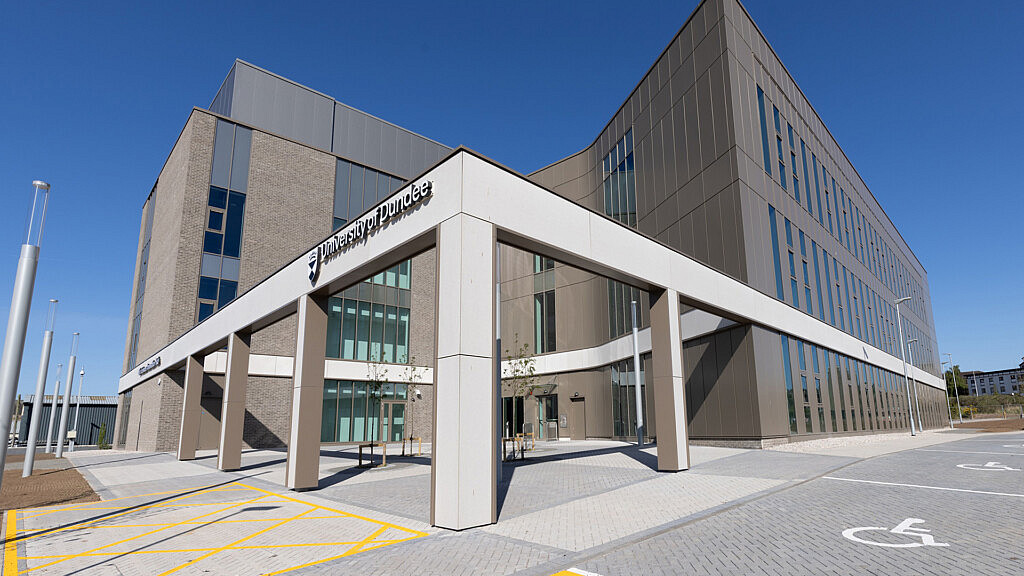
PhaSER Biomedical receives $2.7 million Gates Foundation grant
Dundee-based biotechnology company PhaSER Biomedical has secured a $2.7 million (£2 million), two-year grant renewal from the Gates Foundation to support the discovery of treatments for neglected infectious diseases. Building on an initial $2.3 million award in 2024, the funding extends PhaSER’s participation in the Global Health Discovery Collaboratory.
Founded in 2022, PhaSER commercialises the 8HUM transgenic mouse model – developed with the University of Dundee, CXR Biosciences, Taconic Farms and Scottish Enterprise – which is humanised for key drug metabolism and elimination pathways to provide more predictive preclinical data.
Under the renewed grant, Gates Foundation grantees worldwide will continue to access the 8HUM platform and PhaSER’s pharmacokinetic and translational study expertise across tuberculosis, malaria, schistosomiasis, and Chagas disease programmes.
Alongside expanding its team in computational modelling and AI to advance HERALD – an AI-driven drug-drug interaction analyser being developed with the University of Dundee and the MHRA – PhaSER has appointed Exscientia co-founder Richard Bickerton as a non-executive director.
“The continued support from the Gates Foundation will support our work using humanised models in accelerating drug development,” said chief executive Chris Wardhaugh. “Human-relevant evidence earlier in development means better choices about which medicines to take forward, and faster progress for the people who need them most.”
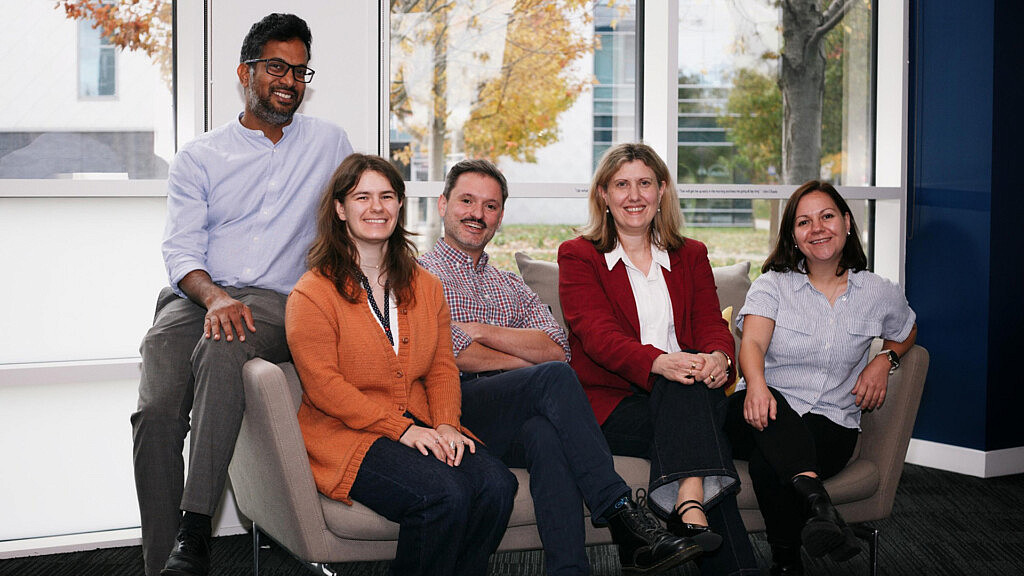
Neobe Therapeutics raises $6.8 million seed funding
Stevenage-based bioengineering company Neobe Therapeutics has finalised a $6.8 million (£5 million) seed funding round led by ARC Ventures.
The round included participation from Faber, Macmillan Ventures – the venture investment arm of Macmillan Cancer Support – Proven Connect and Empirical Ventures, alongside follow-on backing from pre-seed investor 2048 Ventures. This brings the company’s total funding to more than $10.5 million.
Founded in 2021, Neobe engineers harmless strains of bacteria into programmable living medicines designed to dissolve the dense, fibrous matrix surrounding solid tumours. By breaking down this physical barrier, the platform enables existing immunotherapies and oncology drugs to penetrate tumours and eliminate cancer cells.
The seed capital will fund preclinical studies for Neobe’s lead candidate, NEO22, ahead of a planned investigational new drug filing in 2028. Alongside the financing, the company has appointed immuno-oncology specialist Laura Chow as chief medical officer to oversee clinical development toward first-in-human trials.
“Several treatments that can cure cancer already exist, but in far too many patients they simply cannot get to where they are needed,” said Pedro Correa de Sampaio, co-founder and chief executive of Neobe Therapeutics. “I’m delighted to be working with investors that share our vision of making untreatable cancers curable, and excited to move our platform towards clinical trials.”
Bioliberty raises £7.7 million Series A
Edinburgh-based rehabilitation technology company Bioliberty has raised £7.7 million in a Series A investment round. The financing was led by a £3 million commitment from the Scottish National Investment Bank (SNIB), with participation from existing backers Archangels, Eos Advisory, the University of Edinburgh’s in-house venture fund Old College Capital, and Hanna Capital SEZC, alongside new investor Conduit Connect.
Founded in 2019, Bioliberty combines AI and computer vision with soft-robotic wearable devices – including its air-powered Lifeglov and Lifehub control system – to support physical rehabilitation for patients recovering from stroke and mobility-limiting injuries. Based at The National Robotarium in Edinburgh with manufacturing in Fife and a US headquarters in Boston, the company captures objective movement data to help therapists deliver higher-intensity therapy and track patient recovery.
The capital will support product development, expand Scottish manufacturing, and accelerate commercial growth in the US, while extending its technology from inpatient clinics into patients’ homes.
“This investment allows us to expand our capabilities significantly, from advancing how we measure patient recovery using computer vision and AI-driven assessments, to extending our product into patients’ homes,” said co-founder and chief executive Rowan Armstrong.
Oyster Therapeutics closes $60 million Series A-2
London-based biopharmaceutical company Oyster Therapeutics – formerly known as Kesmalea Therapeutics – has raised $60 million (£44.7 million) in a Series A-2 financing round. The round was led by 4BIO Capital, with participation from new investors Eli Lilly and Company, CE Ventures, Actium Group and TOHO Ventures (managed by Global Brain), alongside existing backers Syncona, Oxford Science Enterprises (OSE), Mission BioCapital and MGB Ventures.
Oyster develops targeted protein degraders (TPDs) for neurodegenerative conditions. Using its SELFTAC platform, the company replaces conventional large bifunctional degraders with smaller molecules connected by a reversible linker – allowing them to cross the blood-brain barrier before self-assembling inside the central nervous system.
The proceeds will advance Oyster’s lead candidate, an oral tau degrader designed to clear pathological tau while preserving healthy protein in Alzheimer’s disease, towards clinical development. Alongside the financing, Oyster has established a sponsored research agreement with Massachusetts General Hospital and Catarina Silva to access patient-derived neuronal models and oligomeric tau assays.
“This financing accelerates our progress towards the clinic and enables us to validate a new approach to targeted protein degradation, or TPD, that solves some of its major limitations through the use of smaller molecules,” said chief executive Rob Johnson.
Alethio Therapeutics secures $90 million Series A
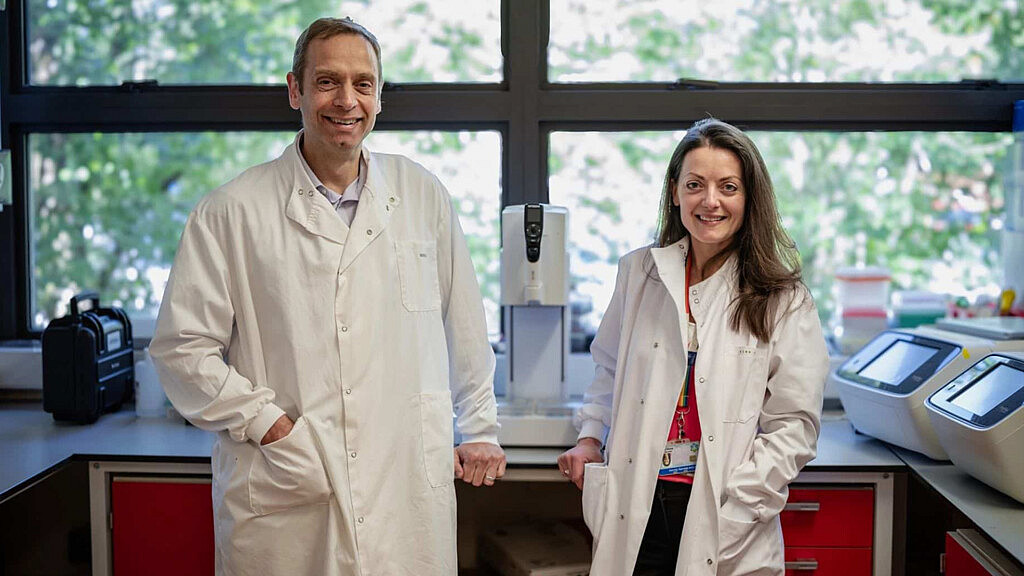
Oxford-based biopharmaceutical company Alethio Therapeutics has closed an oversubscribed $90 million (£67 million) Series A financing round. The round was co-led by Sofinnova Partners and RA Capital, with participation from founding investor Oxford Science Enterprises, alongside Cancer Research Horizons and the University of Oxford.
Spun out from the University of Oxford, Alethio develops targeted therapies for myeloproliferative neoplasms (MPNs) – chronic blood cancers characterised by excessive blood cell production and heightened risks of thrombosis and bone marrow scarring. Its lead candidate, ATX-011, is a monoclonal antibody designed to treat essential thrombocythaemia by targeting G6B, a protein expressed on platelets, megakaryocytes, and MPN-initiating stem cells rather than healthy stem cells.
The Series A proceeds will fund Alethio’s transition into a clinical-stage company, advancing ATX-011 through Phase 1/2a trials to Phase 3 readiness while progressing additional MPN programmes – including antibody-drug conjugates derived from its ARTEMIS discovery platform – toward investigational new drug (IND) submissions.
“Too often, a patient’s first encounter with essential thrombocythaemia is a thrombotic event that lands them in the emergency room,” said chief executive Rohit Batta. “Alethio was founded on a simple conviction – if you can selectively eliminate the cells driving disease, you can redefine what is possible for patients. This financing enables us to turn that conviction into reality.”
T-Therapeutics raises $133 million Series B
Cambridge-based biotechnology company T-Therapeutics has closed an oversubscribed $133 million (£100 million) Series B financing round. The round was co-led by new investors Advent Life Sciences and the British Business Bank, with participation from Johnson & Johnson Innovation – JJDC, Samsara BioCapital, M-Ventures and Eli Lilly and Company, alongside all existing major shareholders including Sofinnova Partners, F-Prime, Digitalis Ventures, Cambridge Innovation Capital, Sanofi Ventures, Tencent and BGF.
T-Therapeutics develops T cell receptor (TCR) T cell engager therapeutics using its proprietary OpTiMus platform, which generates fully human TCRs capable of targeting previously undruggable intracellular antigens. Series B proceeds will fund the company’s transition into a clinical-stage business, taking two TCR-CD3 bispecific lead programmes – one targeting solid tumours in oncology and the other designed for selective immune reset in autoimmune diseases – through to clinical proof-of-concept.
Alongside the financing, T-Therapeutics has appointed Kirsty Crame, formerly chief medical officer at Curatis, as chief development officer to oversee translational and clinical execution.
“This financing is a key step in our transition to a clinical-stage company, enabling us to accelerate the development of two oncology and immunology programmes with pan-indication, blockbuster potential, underpinned by a platform that reaches targets long considered undruggable,” said chief executive Theodora Harold.
The firm raised $91 million Series A funding in November last year.
bit.bio raises $25 million Series D
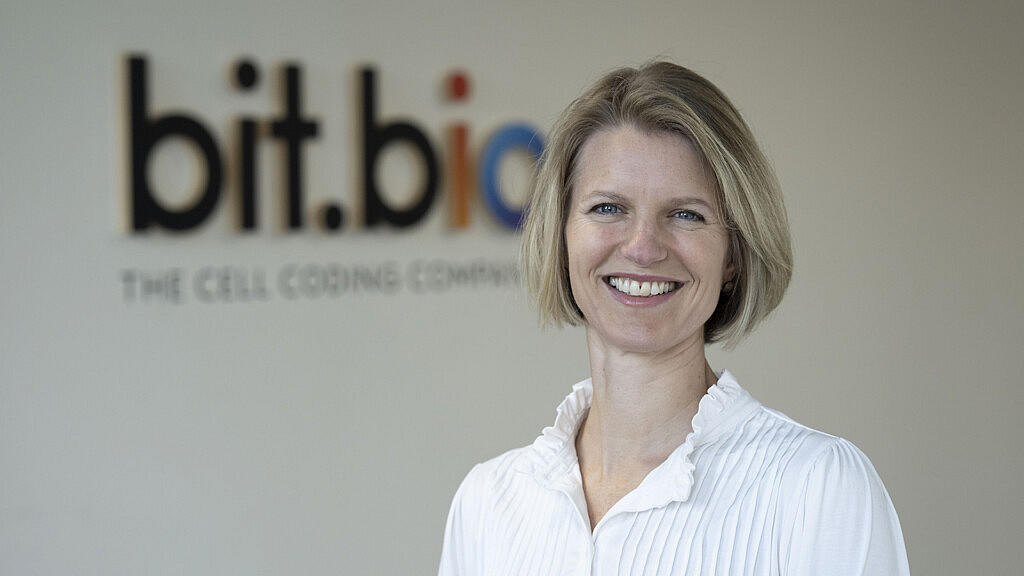
Cambridge-based human cell programming company bit.bio has raised $25 million (£19 million) in a Series D funding round. This follows a $50 million Series C earlier in the year. The investment includes participation from existing backer M&G Investments and Abcam founder and former chief executive Jonathan Milner.
Bit.bio uses its opti-ox platform to manufacture defined human cell types at scale, to overcome donor variability and supply constraints. Its ioCells portfolio currently covers more than 50 human cell types – including cardiac, liver and central nervous system models – used across drug discovery, functional genomics and toxicology. The raise follows what the firm calls significant commercial demand. It says that paid vial volumes have increased 76%, orders have risen 34%, and active customers have grown 40% year to date.
With core manufacturing infrastructure already established, the capital will be deployed to expand the portfolio of available human cell types and broaden access for pharmaceutical, biotechnology, and academic researchers.
“The industry is reaching an inflection point in drug discovery. AI is changing the speed at which new medicines can be discovered, while the move towards animal testing alternatives is creating growing demand for models that better reflect human biology,” said chief executive Emma Pepperell. “What these fundamental shifts have in common is the need for vast quantities of consistent human cell models.”
Isomorphic Labs raises blockbuster $5 billion Series C
London-headquartered AI drug discovery company Isomorphic Labs has closed a mammoth $5 billion (£3.9 billion) Series C financing round. This is its second large financing this year. Isomorphic last raised $2.1 billion Series B in May.
The new capital brings the company’s total external funding to at least $7.7 billion.
The oversubscribed round was co-led by Greenoaks and Sequoia Capital, with participation from new investors including Andreessen Horowitz (a16z) and continued backing from Alphabet, alongside all existing shareholders Thrive Capital, MGX, GV, CapitalG, Temasek and the UK Sovereign AI Fund.
Founded in 2021 as an Alphabet spinout, Isomorphic Labs builds foundational simulation AI models to design novel therapeutics across multiple drug modalities.
The proceeds will be used to mature its proprietary drug design engine, IsoDDE, build global AI bioengineering and translational infrastructure, and advance both its internal oncology and immunology programmes and partnered pipelines – including collaborations with Novartis, Eli Lilly and Johnson & Johnson – into clinical trials.
“When we founded Isomorphic, our conviction was that biology could be understood and modelled at the most fundamental molecular level and radically accelerated through AI,” said founder and chief executive Demis Hassabis. “This round enables us to accelerate our progress: building foundational biology models, deepening our systemic disease understanding, and driving our first therapeutic programs towards clinical trials to deliver tangible impact for patients.”