Add us as a preferred source
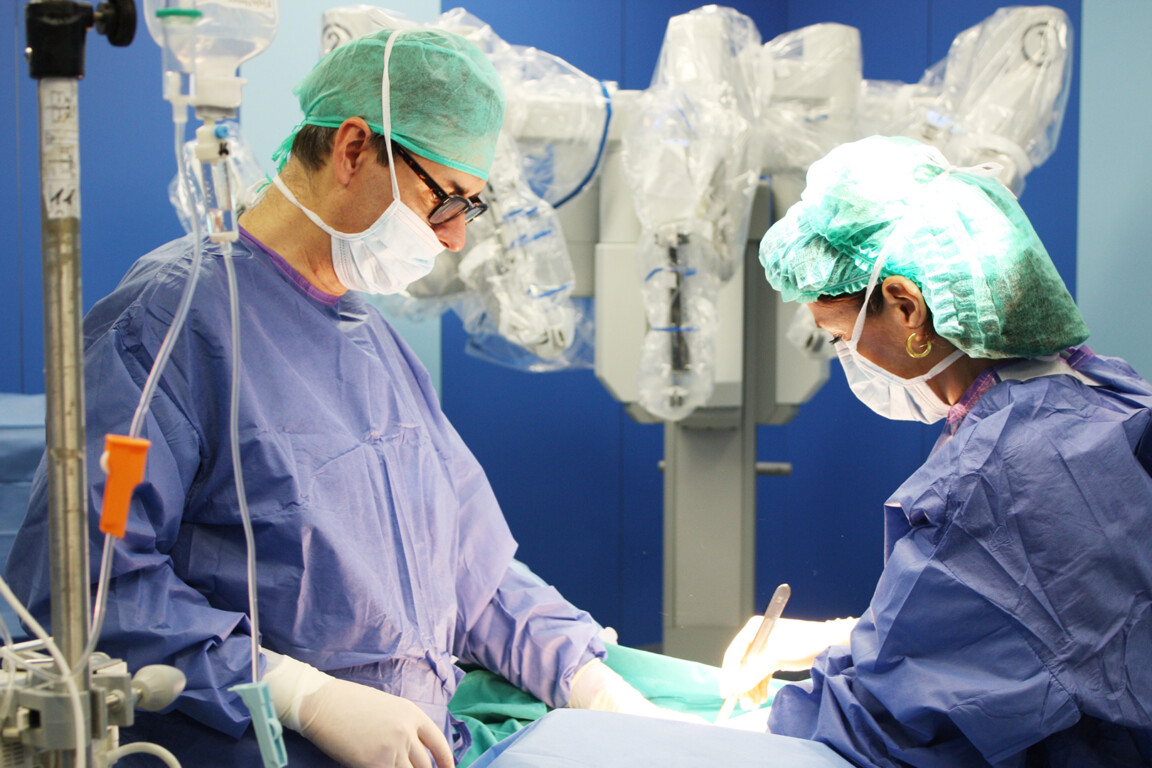
Now CE-marked for adult cardiac surgery, the use of da Vinci 5 is set to scale up across Europe.
Global technology leader in minimally invasive care, Intuitive, has revealed that its da Vinci 5 surgical system has received CE mark approval for adult cardiac surgery in Europe. This includes thoracoscopically-assisted cardiotomy procedures and minimally invasive coronary artery bypass procedures.
Cardiovascular disease remains the leading cause of death worldwide, with around 18 million people losing their lives as a result of heart problems each year. In 2022, it accounted for one-in-three deaths in Europe.
More than two million patients globally undergo open heart surgery annually, with most procedures requiring a sternotomy. This is an approach that involves splitting the breastbone to open the chest and access the heart.
Transforming cardiac care
The design of da Vinci 5 can support minimally invasive cardiac procedures by enabling surgeons to operate through small incisions without opening the breastbone. The da Vinci 5 surgical system offers: 10,000x computing power, smart instrumentation that can capture 1,000+ data points per second, advanced imaging for enhanced visualisation of vessels and perfusion, and an integrated digital ecosystem to support the journey from pre-operative planning through to post-operative analytics.
“CE mark for adult cardiac procedures with da Vinci 5 is an important step in a broader global effort to help transform cardiac care,” said Darla Hutton, Intuitive’s global vice president of cardiac. “By bringing together 30 years of innovation, team-based training, and a service model built on reliability and safety, we believe we can help cardiac teams adopt robotic-assisted surgery in a way that is consistent, scalable and sustainable.”
Intuitive’s commercial president for Europe, Dirk Barten, added that “this clearance represents our firm commitment to bring back robotic-assisted minimally invasive cardiac procedures in Europe”.
As Healthcare Today has previously reported, surgical robotics, including several models of the da Vinci systems, continue to transform the way surgeries are performed.