Add us as a preferred source
The latest innovations in healthcare, including AI-powered preventative health, an eye health centre, a cancer centre, self-pay elective treatments, dermatology care, dementia and greener food.
Livi and CloudFit partner for AI-powered preventative health
Digital healthcare provider Livi has announced a strategic partnership with AI-driven health platform CloudFit to launch an integrated wellness solution for the corporate market. The collaboration combines Livi’s on-demand GP consultations with personalised fitness, nutrition, and lifestyle support, aiming to create a seamless pathway from clinical care to long-term behaviour change.
The partnership enables Livi GPs to refer patients directly to CloudFit when physical exercise or nutritional interventions are required to support health outcomes. CloudFit then provides continuous lifestyle support between medical appointments, with patient data fed back to clinicians via performance dashboards. This model is designed to address the challenge of lifestyle adherence, providing users with the tools and accountability needed to follow through on clinical advice.
“We identified a growing market for patients who want to take better control of both their health and fitness,” said Jamie Griffin, head of commercial at Livi. “What excites us is the combination of our GP primary care expertise with CloudFit’s AI-powered personal training and nutrition capabilities. It’s a truly well-rounded health and fitness journey that can genuinely improve employee wellbeing whilst reducing sickness absence.”
The initiative arrives as the NHS faces sustained pressure on primary care, with 70% of trainee GPs reporting burnout. By shifting the focus from sickness treatment to prevention, the organisations hope to support more personalised insurance pricing, where highly engaged users could potentially benefit from reduced premiums. Livi currently works with more than 1,000 GP practices in the UK, enabling more than 11 million patients to access GMC-registered doctors via video consultation.
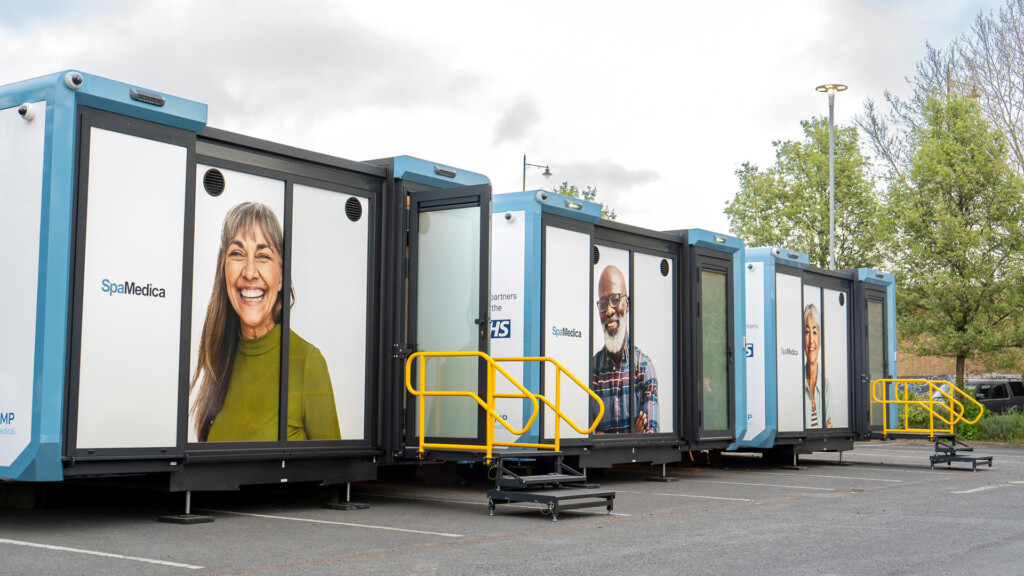
SpaMedica opens purpose-built eye health centre in Guildford
A new health centre has opened in Guildford, providing Surrey residents with access to specialist ophthalmic care. Located in the Stoughton area, the purpose-built facility is equipped to support the thousands of local people living with cataracts, a figure expected to rise by 22% by 2032.
The centre aims to reduce the need for patients to travel long distances for specialist treatments, offering a streamlined pathway for those referred by their GP or optician. To further improve accessibility, the site provides free on-site parking and a door-to-door transport service for patients requiring assistance.
“Our ultimate goal is to make high-quality eye treatment accessible to everyone in Guildford,” said hospital manager Kenneth Keen. “By bringing this technologically advanced centre into the area, we are reducing barriers to care and ensuring patients can receive expert help close to home. It will play a vital role in improving early diagnosis, treatment outcomes, and overall quality of life for the community.”
The Guildford site joins SpaMedica’s national network of 69 locations, where 98% of patients regain driving-standard vision following surgery. As one of the UK’s leading providers of NHS ophthalmology services, the group focuses on reducing surgical backlogs for cataracts and glaucoma. All of the provider’s inspected hospitals have maintained ‘Good’ or ‘Outstanding’ ratings from the Care Quality Commission.

GenesisCare plans new cancer centre in Royal Tunbridge Wells
Independent specialist cancer care provider GenesisCare plans to open a new systemic anti-cancer therapy (SACT) centre in Royal Tunbridge Wells, marking its seventh such facility in the UK. Scheduled to open in the autumn, the purpose-built environment will provide essential treatments including chemotherapy, immunotherapy and cellular therapy. The development builds on the provider’s decade-long presence in Kent, following the success of its comprehensive oncology site in Maidstone.
The new facility is designed to improve accessibility for patients across West Kent and the wider South East, significantly reducing travel times for those who currently journey to Maidstone for treatment. Alongside advanced medical interventions, the centre will offer supportive technologies such as Hilotherm to mitigate side effects. Patients will also have access to integrated wellbeing support and exercise medicine through partnerships with Penny Brohn UK and The Sleep Project.
“The prospect of now being able to offer that same high standard of care to patients across West Kent, closer to where they live, is exciting,” said consultant clinical oncologist Russell Burcombe.
GenesisCare operates 14 specialist outpatient centres with a site in Leeds due to open this year. Its services are available to both private medical insurance holders and self-pay patients.
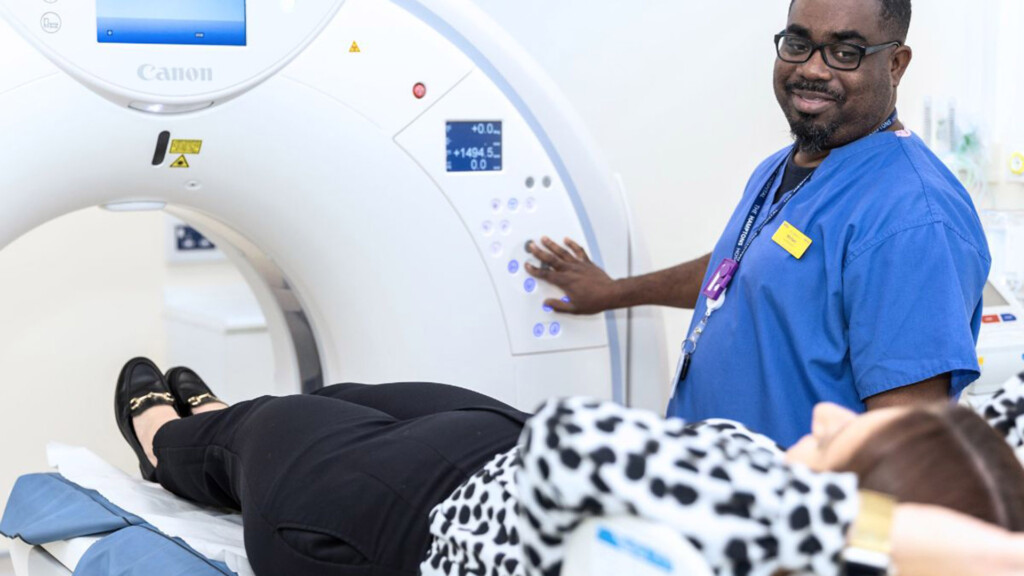
The Hamptons Hospital and Electiva expand care in Cambridgeshire
The Hamptons Hospital in Peterborough has announced a strategic partnership with Electiva Healthcare Group to improve access to self-pay elective treatments across Cambridgeshire. The collaboration combines the hospital’s established local facilities and inpatient capacity with Electiva’s consumer-facing care pathways. This initiative is designed to create a more efficient route from initial enquiry to final treatment for patients seeking timely elective services.
Under the agreement, the hospital on Cygnet Road will provide the necessary procedural capacity to support patients referred through Electiva. The partnership focuses on reducing delays and ensuring that care is delivered locally. Coordinated pathways will cover everything from the initial consultation and pre-assessment to surgery and aftercare.
“Patients want great care, delivered locally, without delay or complexity,” said David Winters, director of hospital operations and strategy at The Hamptons Hospital. Sayani Sainudeen, founder and executive chair of Electiva, added that the role of the partnership is to make elective care “simpler and more transparent”.
The Hamptons Hospital is the first facility within The Hamptons Health Village, which is the UK’s first integrated health village. Electiva continues to expand its national footprint, which includes purpose-built hospitals in Manchester and Glasgow.
Consultant Connect and NHS Scotland transform dermatology care
Telemedicine provider Consultant Connect and NHS Scotland are marking the first anniversary of the national rollout of Scotland’s Digital Dermatology Pathway, a programme that has already impacted 25,000 patient sessions.
The digital initiative allows GPs to capture high-quality clinical images via the Consultant Connect App and attach them directly to referrals through the National Digital Platform. Currently, all 14 NHS Health Boards are live, with 535 GP practices actively using the service to support clinical decision-making.
The impact of the technology is highlighted by a significant reduction in patient waiting times; in one instance, a patient received a specialist treatment plan within 48 hours for a condition that previously carried a 40-week wait for an appointment. Over the past year, nearly 50,000 images have been generated to assist with diagnosis, leading to more accurate triage and a decrease in the number of patients added to traditional dermatology waiting lists.
“This programme represents a significant national first, demonstrating how innovation can be applied at scale to support clinical decision-making,” said Stephen Lamb, customer success manager at Consultant Connect. To ensure administrative accuracy, the system integrates with the Community Health Index to pull patient data. Craig Millar, digital dermatology project manager at the Centre for Sustainable Delivery, noted that the collaboration is empowering clinicians and delivering the expected benefits of the pathway at scale.
Established in 2015, Consultant Connect now provides telemedicine services to over half of the NHS across England, Scotland, and Wales. The provider’s app is available to more than 5,000 GP surgeries, covering a population of 45 million patients.
Cera and GlobalMinds launch home-based dementia study to close participation gap
A pioneering study has been launched to address the participation gap in dementia research by bringing clinical trials directly into the homes of older adults.
While people over 65 account for two-thirds of illnesses in the UK, they currently make up only one-third of trial participants. This sector-first partnership between home care provider Cera and GlobalMinds aims to capture the silent hours of the condition beyond hospital walls, allowing those living with dementia to shape the future of prevention and treatment.
The initiative aligns with a national mandate from the National Institute for Health and Care Research to include older adults who are routinely sidelined from clinical trials. Through Cera’s digital-first healthcare model – which delivers 2.5 million home visits every month – researchers can access real-world data and lived experiences that are often invisible to routine hospital appointments. The study aims to recruit 1,000 participants to build a rich, longitudinal picture of how dementia progresses in a daily environment.
“We aren’t just monitoring health; we are turning every living room into a laboratory for a cure,” said Cera founder and chief executive Ben Maruthappu.
The study, run in partnership with Cardiff University and Akrivia Health, will combine patient data from NHS records with DNA and biological samples. This multi-modal approach is designed to unlock a new era of precision medicine, helping scientists understand unique causal pathways and develop more targeted, personalised treatments for the one million people currently living with the condition in the UK.

Sodexo and Nuffield Health achieve 22% reduction in food-related emissions
Sodexo UK & Ireland and Nuffield Health have successfully reduced food-related carbon emissions by 22% through a partnership with Greener by Default. Launched early last year, the programme represents a first for UK hospital catering, implementing behavioural science and culinary changes across 35 Nuffield Health hospitals to nudge patients toward plant-based dining.
The environmental impact of the reduction is equivalent to over 100,000 miles driven in a standard vehicle.
The initiative involved a shift in menu composition; options that were previously 24% meat were reduced to 18%, while vegan dishes were increased to 41%. To encourage this transition, more than half of the patient menu was updated with flavour-focused names and prime placement for plant-based meals. Processed meats were largely removed, and the traditional grill bar was replaced with expanded dairy-free and nutrient-dense alternatives designed to support patient recovery following surgery.
“Plant-based food is highly nutritious, helps prevent ill health and can play an important role in recovery,” said Davina Deniszczyc, charity and medical director at Nuffield Health.
“With our ambition to reduce our carbon footprint, this project gave us a unique opportunity to bring together both environmental and nutritional benefits,” she added.
The pilot also saw plant protein servings increase by nearly 50% while maintaining high levels of patient satisfaction.
The success of the programme supports Nuffield Health’s long-term goal of achieving a 90% plant-based menu. Sodexo, which aims to deliver 70% low-carbon meals by 2030, provided extensive staff training and webinars to embed these behavioural changes. The partners now plan to extend the plant-forward approach across all hospitality and staff menus.