Add us as a preferred source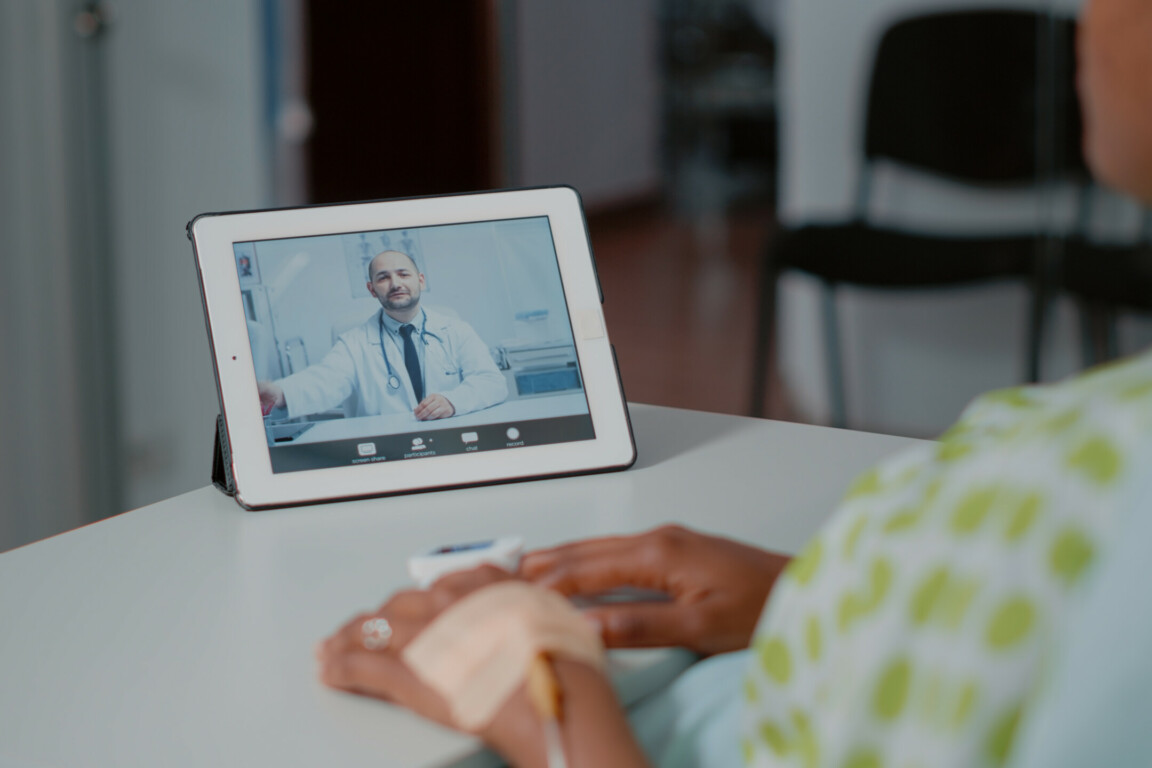
The emotional labour of carers must be considered, a study examining the role of virtual wards recommends, as the NHS looks to amp up the scheme amid hospital bed shortage
Patients and unpaid carers are taking on a greater role in managing safety risks as NHS care moves from hospitals into the home, according to new research.
A study, published in BMJ Quality & Safety, examined the operation of four so-called ‘virtual wards’ in north-west England, finding that patients and families are required to undertake tasks that would traditionally be carried out by clinical staff in hospital.
Virtual wards have become a central part of NHS plans to move more care into community settings, allowing patients who might otherwise require a hospital bed to be monitored remotely, through technology such a heart monitors, phone calls with clinicians and home visits.
However, the level of monitoring and care is not consistent across the NHS, as demonstrated in the study, with only one of the sites also providing home visits.
Researchers at The University of Manchester found that while patients felt happier, more comfortable and independent at home than in hospital, there was a trade-off.
Work previously undertaken by doctors and nurses was being shared with patients and their families. They were expected to monitor symptoms, take readings, sometimes several times, use monitoring equipment and know when to seek help if their condition worsened.
Some carers said they were not aware of the extent of support required, made more difficult for those who did not live with the patient.
When rolling out virtual wards, the NHS must look beyond the technological elements, Kelly Howells, research fellow at the University of Manchester, said, arguing that the “practical and emotional responsibilities” of carers and patients need to be considered, with appropriate training provided.
Researchers found that the hybrid model unsurprisingly made patients feel more reassured and could make care safer. Combing home visits with online monitoring also means that frail patients who struggle with technology could be included in the scheme.