Add us as a preferred source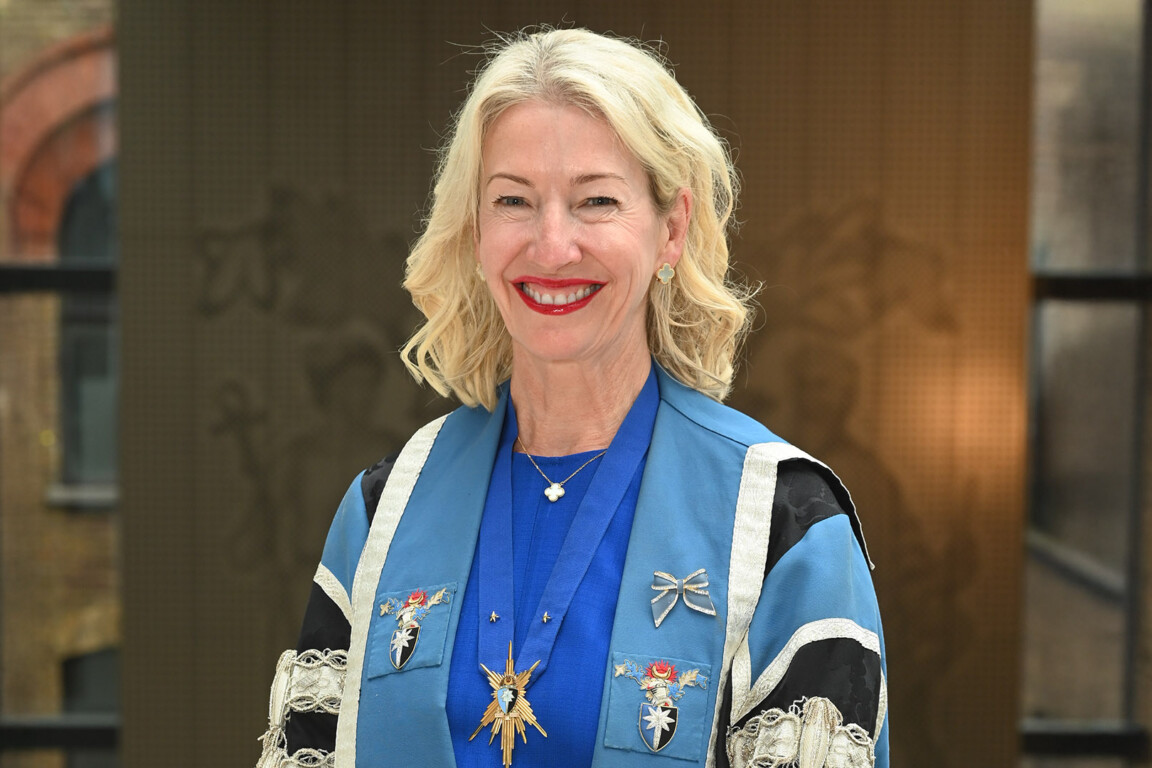
The president of the Royal College of Obstetricians and Gynaecologists talks about morale in maternity services and the problems of litigation.
In the second part of her interview with Healthcare Today, Alison Wright, president of the Royal College of Obstetricians and Gynaecologists, talks about the need for theatre capacity, the importance of community hubs and the changes needed to the current litigation system.
Are we training enough obstetricians and gynaecologists to meet demand?
We must make the speciality more attractive, but we also fundamentally need to create more training places. That necessity is clear across the board. The solutions to tackling the gynaecology waiting list lie partly in the development of Women’s Health Hubs – ensuring that we only see those women in a hospital setting who truly require that level of specialist intervention.
However, within the hospitals themselves, we must also dedicate more operating theatre time and space specifically to women. Historically, I have always had to fight to have my own patients prioritised on the operating list. I hear frequent reports that gynaecological waiting lists are being negatively affected because we are losing dedicated gynaecology lists in hospitals across the country.
We really need to push for gynaecology and women’s health to be prioritised, whether that involves increasing theatre capacity, expanding Women’s Health Hubs, or supporting the gynaecologists themselves.
“Tackling systemic racism must happen within our hospitals as well as on a policy level.”
Morale in maternity services is fragile. How do you balance honest scrutiny with retaining and motivating staff?
Demonstrating accountability is essential. Through the Baroness Amos review and my own conversations with families – particularly those who have suffered the tragedy of losing a baby – it is clear that people need to know we are held to account. Being both accountable and responsible is fundamental to restoring trust.
This accountability extends to our training. While we have the necessary programmes in place – such as obstetric skills and drills and, increasingly, cultural competence training – staff often cannot be released to attend them. Every major report delivers the same message: we must listen better, tackle systemic racism and improve our cultural competency in communication. However, we cannot ethically leave a labour ward short-staffed to attend a seminar. We must have adequate staffing levels to ring-fence the time required for this vital development.
Collaboration is one of the three core pillars of my presidency. It sounds obvious, but we must consistently remind ourselves to listen genuinely to women and families and, crucially, to act on what they tell us. I have been deeply moved by the bravery of bereaved families involved in the Amos Review. They have not only shared their lived experiences but have been incredibly constructive in helping us find solutions.
From their insights, we have identified clear needs: better conversations after birth, the offer of a formal debrief, robust community support and transparency regarding investigations. I often tell our junior staff that while we must be prepared to work under scrutiny, the path forward lies in co-producing these solutions. We all want the same outcome; we just need to build it together.

How helpful is the move towards community hubs? Can the move out of acute hospital settings help with issues like healthcare equity?
Tackling systemic racism must happen within our hospitals as well as on a policy level. In my own Trust, I am a proud ally of an initiative called Anti-Racism Initiative in Action (ARIA). This programme addresses the difficult practicalities of hospital life; for instance, how do we respond if a patient refuses care from a Black midwife? It also examines differential attainment, as we know that career progression often differs significantly between Black, South Asian and white staff. Implementing these anti-racism strategies at a local level across the board is absolutely essential.
Community-focused hubs are a vital part of the solution. I have visited excellent examples in Leeds, Birmingham and Tower Hamlets that work because they are truly embedded in their communities. The most successful models involve a gynaecologist, a sexual health doctor and a GP collaborating on triage. In some of these hubs, they have found that only a third of the women who attend actually require hospital care. This collaborative working reduces gynaecology waiting lists dramatically.
However, success depends on funding from Integrated Care Boards (ICBs). The best models rely on robust funding, strong administration and integrated electronic records. In Tower Hamlets, for example, a dedicated administrative team frees up doctors to perform proper triage. These hubs also provide access to physiotherapists; many women on waiting lists for a gynaecologist could be seen by a pelvic floor physio, or have a ring pessary or Mirena coil fitted within the community. This is ideal for patients as it is close to home, provided the pathways between the hub and secondary care are seamless. We have seen this work best when hospital gynaecologists are directly involved in the hub to ensure a smooth transition of care.
“Our primary focus is on supporting our doctors to make a meaningful difference.”
Is fear of litigation distorting clinical decision-making?
The RCOG supports exploring alternatives to the current clinical negligence system, which can discourage openness and learning. This is not a way to avoid accountability – we still require a robust structure to ensure that where mistakes are made, those responsible are held to account. However, the current system is binary: if negligence and causation are proven, families may receive millions; if not, they receive nothing. Tragically, we currently lack the care structures necessary to support babies with hypoxic-ischaemic injuries who require lifelong assistance. A no-fault system would ensure these families receive the entitled support regardless of the legal outcome.
One of the most damaging aspects of the current adversarial system is that it often discourages doctors and midwives from maintaining contact with families after a poor outcome. This is profoundly unhelpful. We want a system that allows communication to continue on a human level, even while an investigation is underway. We must move away from the historical defensiveness that has plagued the profession. While we have a duty of candour, we must ensure that this duty is exercised with absolute honesty and frankness from the very outset.
Ultimately, families want answers. They want to know exactly what happened. As a profession, we are getting better at this, but there is still a long way to go. It is a sobering reality that we are currently spending more on litigation fees than on our entire maternity staffing budget. That cannot be right. By shifting toward a more open, honest and less litigious culture, we can better serve both our staff and, most importantly, the families in our care.
If you had a 15-minute meeting with Wes Streeting, what would you ask him to do?
Our primary focus is on supporting our doctors to make a meaningful difference. We must constantly ask what we can do to facilitate that care through modernisation and innovation. I am pleased to say that our priorities are closely aligned with those of the health secretary, Wes Streeting, who has shown a clear commitment to listening to women, families, and frontline staff.
We are fully supportive of the move from analogue to digital and the broader push toward collaboration between different organisations, which remains one of my core presidential priorities. There is also a significant shift toward prevention. In women’s health, this means raising awareness much earlier – ideally in schools – about conditions like fibroids, endometriosis, and the menopause.
We also need to have more honest, transparent conversations about childbirth. By promoting the democratisation of information and investing in education, we can empower women from an earlier age. As a UK-wide College, we are working intimately with governments across the four nations to ensure our goals are aligned and that we are providing mutual support to improve outcomes for all.