Add us as a preferred source
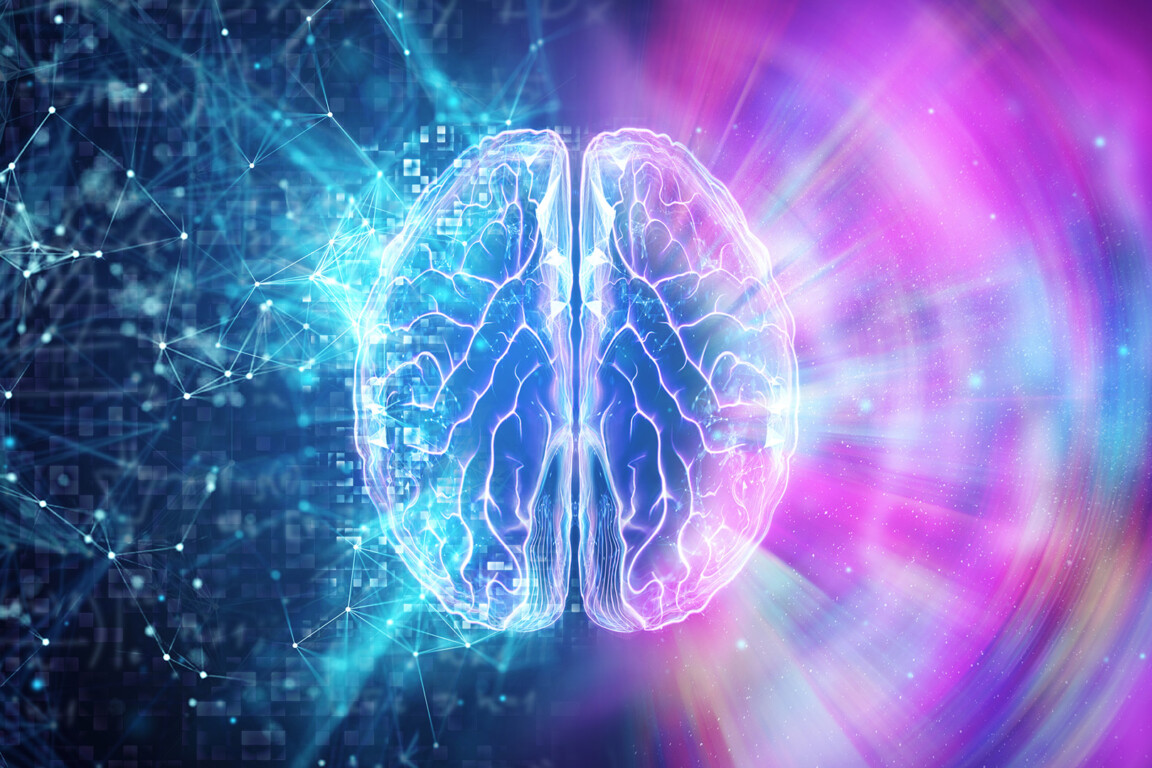
Patients with FND experience misdiagnosis, stigma and inconsistent care that can push them to their breaking point, a new study has found.
Better communication, improved multidisciplinary working and more holistic care are needed to improve outcomes for patients with functional neurological disorder (FND), research carried out by the University of East Anglia and the University of Cambridge has found.
FND patients have described feeling suicidal after having their symptoms dismissed or misunderstood by their GP. Some patients also said they were given the impression that what they were experiencing was all in their head.
Researchers assessed how FND diagnoses are used and understood in people with autoimmune diseases, and where disagreements arise between patients and doctors. Responses were analysed from international surveys involving 1,853 patients, 400 clinicians and 463 members of the public. In-depth interviews with patients and doctors were also carried out by the research team. When they examined how complex neurological symptoms were diagnosed, interpreted and communicated in real-world healthcare settings, they found a mixed picture. While 86% of patients agreed that a diagnosis of depression was correct, only 53% agreed with a fibromyalgia diagnosis and only 30% agreed with a diagnosis of FND. Added to this, only 7% of patients agreed that their symptoms were psychosomatic.
Diagnosis difficulties
Doctors taking part in the study described how difficult it can be to work out what is causing a patient’s symptoms. Many told the research team that they had received little training in FND, while others had “very strong” opinions either for or against FND diagnoses, researchers found. Patients and doctors both reported examples of symptoms being put down to the wrong causes, with misdiagnoses reported in both directions.
“FND is a recognised neurological condition that can cause symptoms such as weakness, shaking, changes in movement or feeling, and non-epileptic seizures,” explained Melanie Sloan, the study’s lead author from UEA’s Norwich Medical School and the Department of Public Health at the University of Cambridge. “These symptoms are real and are not made up or under a person’s control. We wanted to better understand the challenges of diagnosing complex neurological symptoms in autoimmune diseases, and why patients and clinicians can sometimes see things very differently.”
The study found that the way that a diagnosis is explained can make a big difference to how patients feel about it, and that stigma played a role. Poor explanations could lead to feelings of guilt, shame, loss of trust and even suicidal thoughts.
Michael Bosley is a patient and one of the study’s authors, and said how doctors communicate with FND patients matters. “People need to know that their symptoms are being taken seriously, understand why doctors think a particular diagnosis fits, and feel able to come back if things change,” he said. “The damage done by an explanation that is unclear, rushed or doesn’t acknowledge the patient’s experience was clear, with several patients in our study reporting feeling suicidal after an unempathetic diagnostic consultation.”
Listening is key
The study found that patients were more likely to accept a diagnosis when doctors listened to them, explained why they thought a symptom had a particular cause, and explained how symptoms linked to FND differed from those caused by their autoimmune disease.
Another patient and co-author of the study said some of the findings around diagnosis are particularly worrying. “I think one of the most concerning findings from our study is that getting one of these diagnoses may be more about the doctor’s view and pre-judgements than about the patient’s symptoms,” said Lucy Calderwood, a patient and study co-author. This could lead to a scenario where the same patient with the same symptoms could go to different doctors and get a very different response and treatment, she added.
“We still do not know enough about some of the ways autoimmune diseases affect the brain and nervous system to always be certain what is causing a particular symptom,” Sloan said.
“FND is a real condition, and people with the condition need the right treatment. But we need to be careful about assuming we know the cause of every symptom and coming to quick conclusions. There may be many different causes of neurological symptoms in autoimmune diseases, which are very hard to untangle. Clearer explanations of diagnoses could help patients understand and accept them, while doctors need to be cautious when the cause of symptoms is not clear.”